
Process diagnostics, inspection and detection
« Modern technical services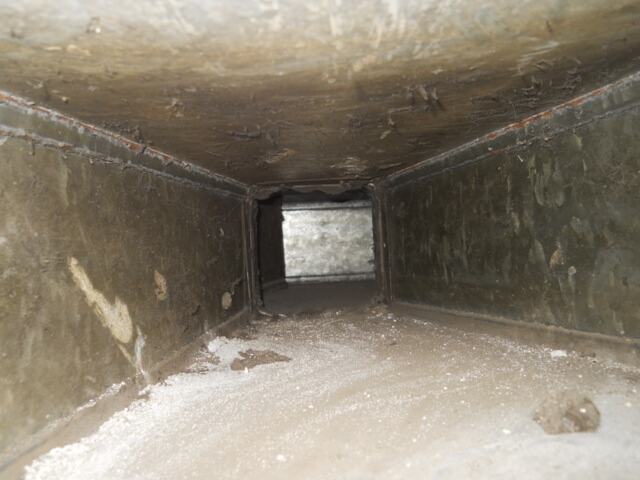
System and site inspection, leak detection and process-fault investigation, with the method selected for the task.
Diagnostics before intervention
Cameras, thermal imaging, geophones and other suitable instruments are used to inspect pipelines, tanks, wells and accessible parts of process systems. The aim is to locate and identify the likely cause before the system is opened and a remedy is selected.
The diagnostic scope and the feasibility of resolving a fault depend on technical findings, material, access and working conditions.
Drones, thermal imaging and site documentation — project-based
As a developing project-based service, drone inspection and thermal-imaging support may be used to assess leaks and document fields, crops, roofs, facades, solar panels and other accessible areas.
Periodic recording of construction sites, work sites and stored materials is intended for technical records and change documentation. It is not a physical or technical security service. Each flight is planned only after checking the location, airspace, required approvals and image-processing conditions.
Agricultural drones and crop treatment — in development
Agricultural-drone crop treatment is being developed as a project-based service. Before engagement, the crop, field, location, applied material, weather conditions and all required approvals are checked.
Leak detection with targeted access
Potential leaks in accessible pipelines and systems are investigated using a method suited to the medium, material, route and site conditions. The aim is to narrow down the problem area before excavation or opening the system.
Thermal imaging, geophones, locators, cameras or pressure testing are used only where appropriate for the task. Work in areas involving flammable materials or gases is accepted only after the equipment, professional requirements and necessary approvals have been verified.
Scope of inspection
- CCTV inspection of sewers before commissioning or after cleaning
- Locating blockages in drainage lines
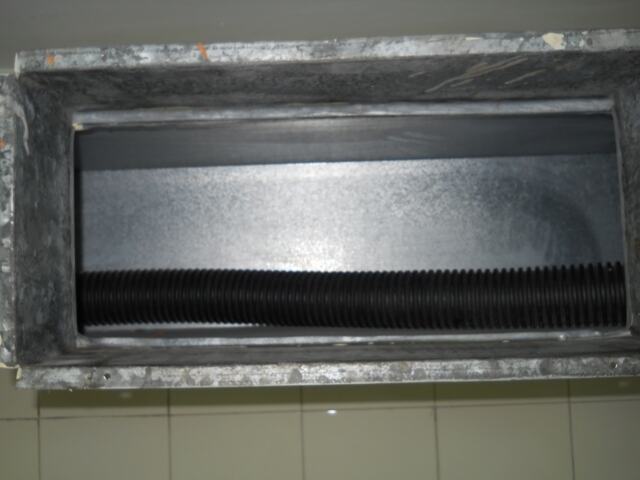
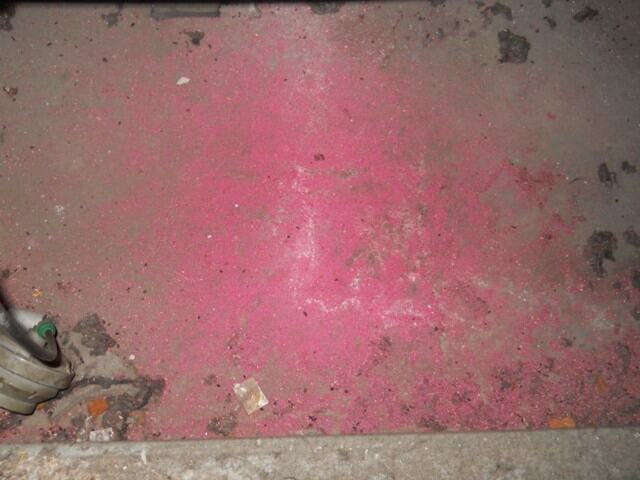
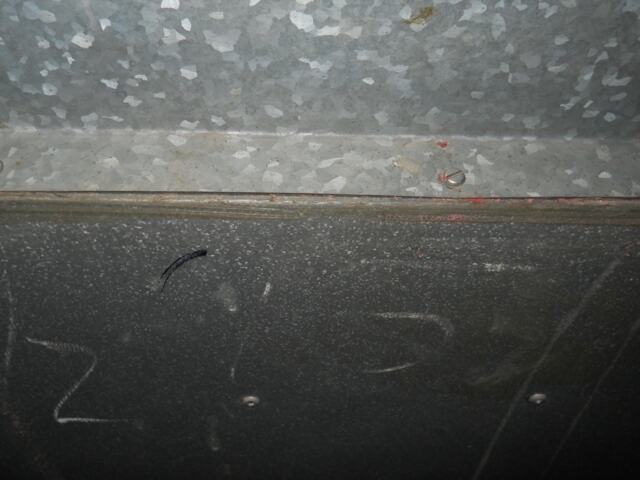
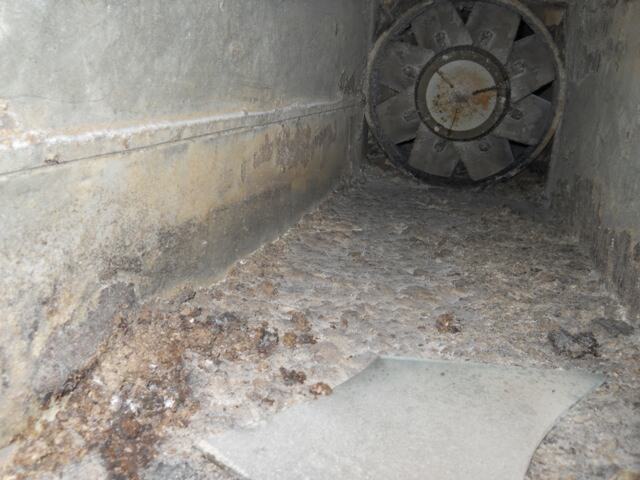
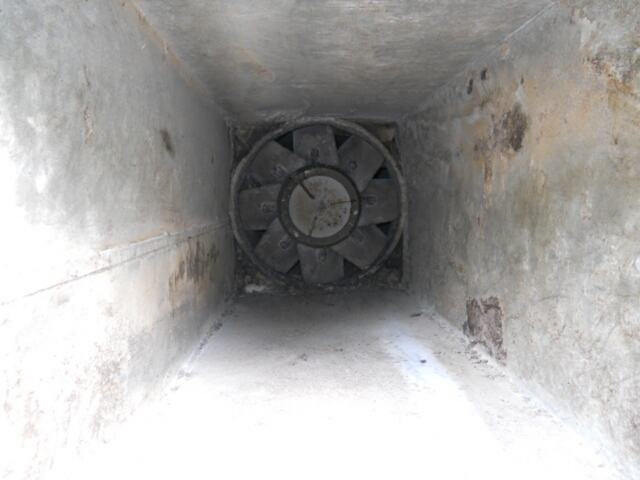
- Inspection of ventilation ducts before and after cleaning
- Camera inspection of accessible pipelines, tanks, boilers and concealed spaces
- Inspection of tube wells and dug wells, subject to access and equipment
- Leak investigation for water and other media using a method selected after assessment
- Thermal imaging of critical temperature points
- Air-speed and air-quality measurements in ventilation systems where required
- Gas detection with suitable equipment when all working conditions are met
References — completed work
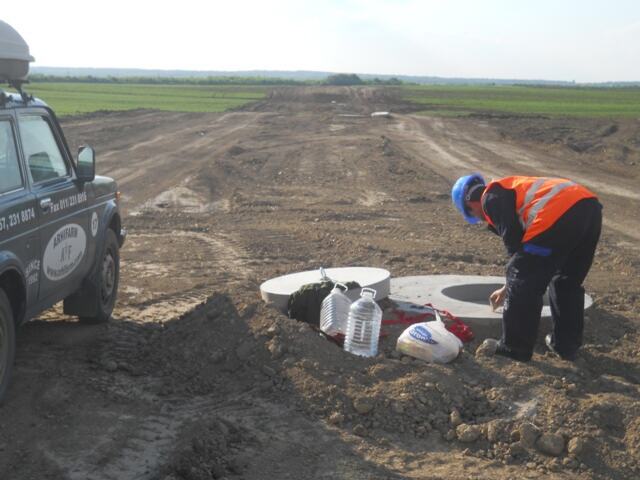
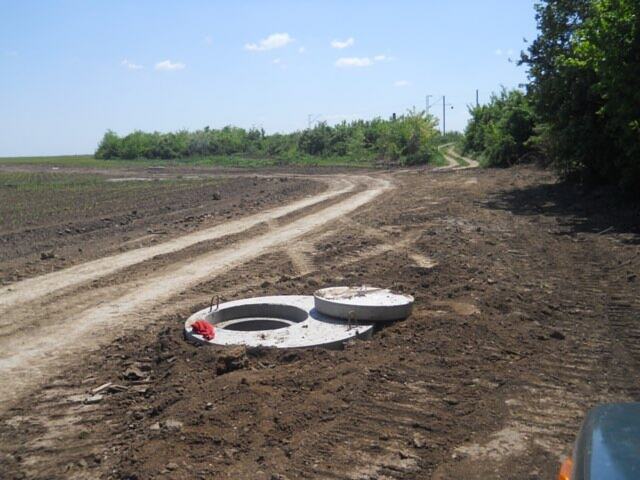
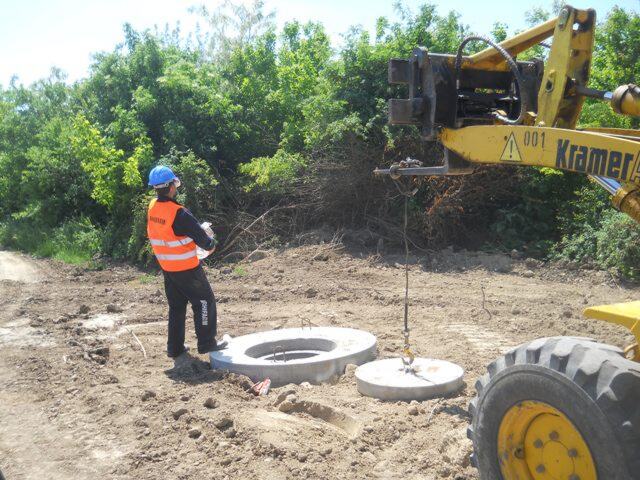
From the company archive: 3 jobs and 45 photos taken in the field during the performance.
Cleaning and recording the pipeline with a camera
3 jobs, 45 photos.
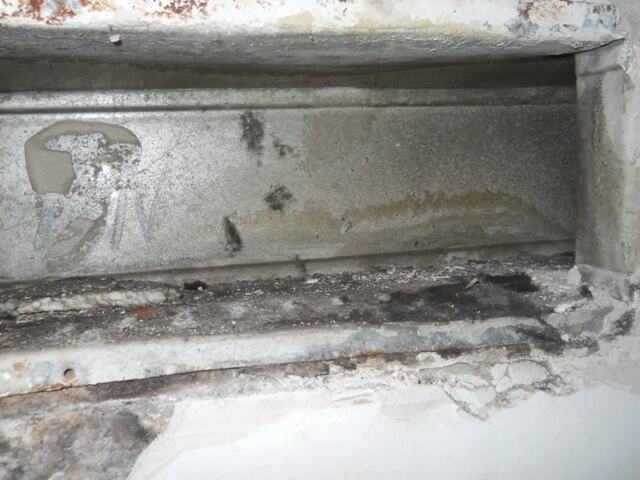
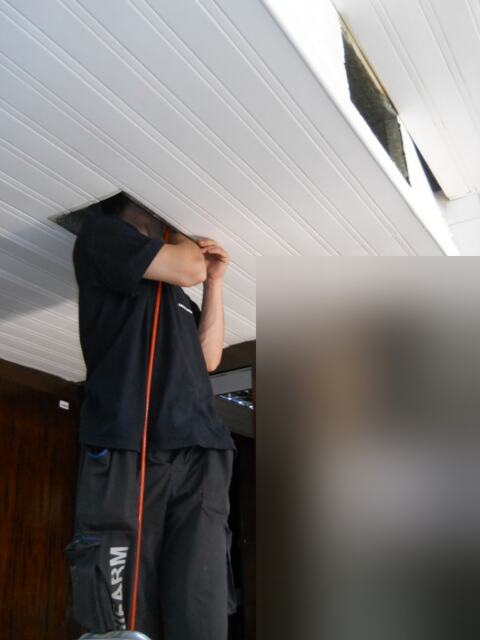
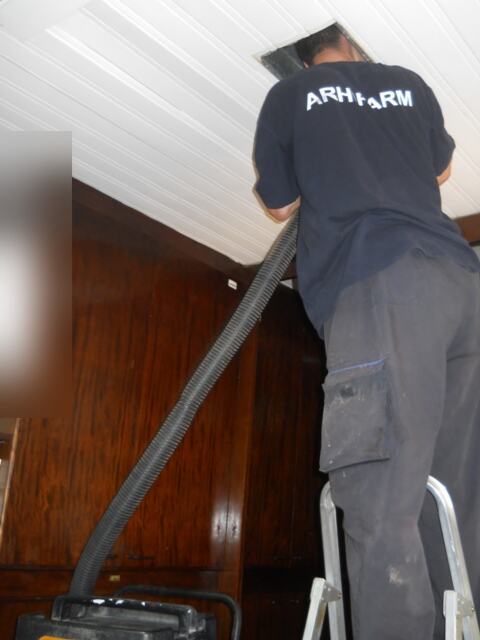
Cleaning and recording of dry ventilation
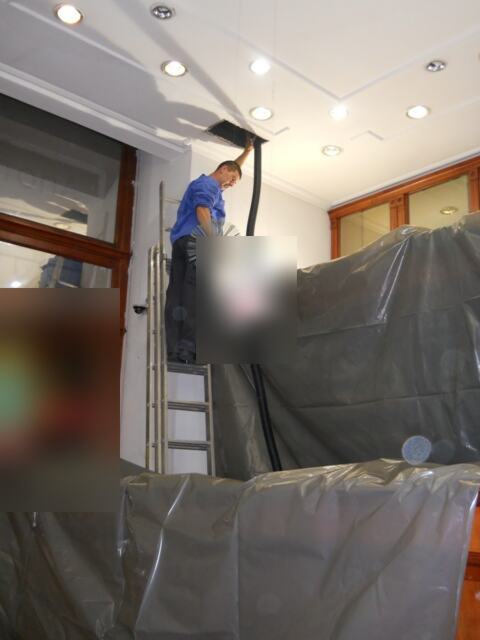
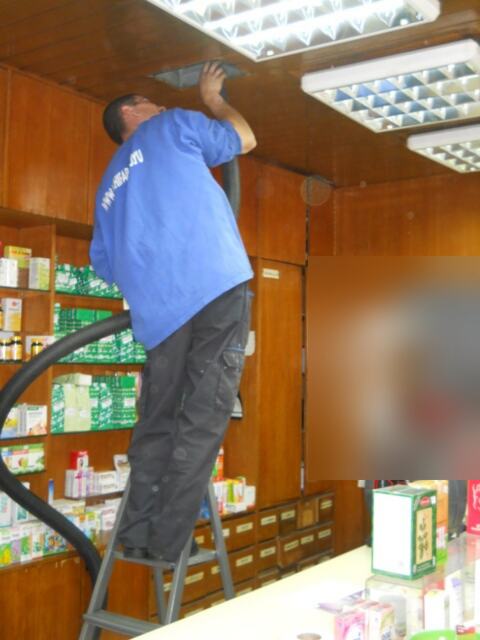
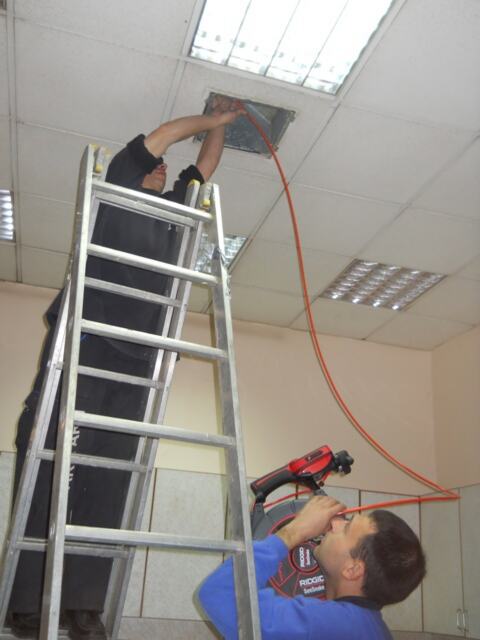
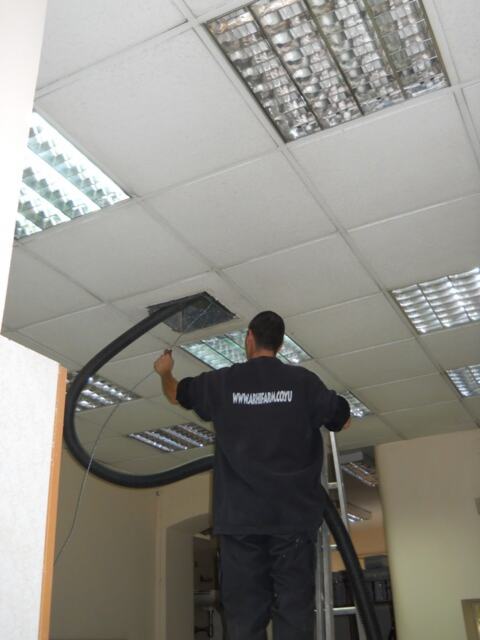
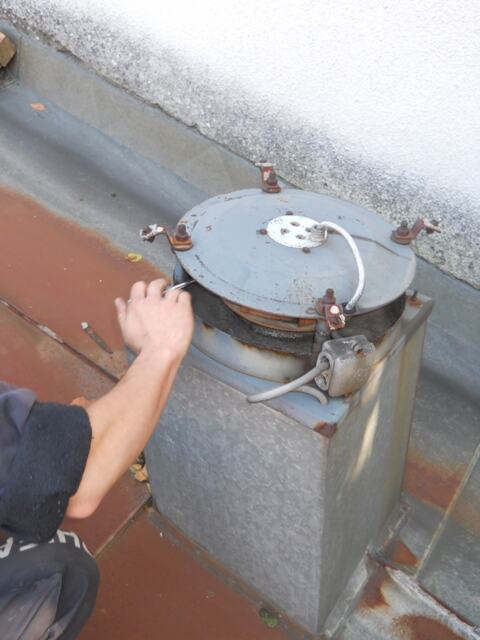
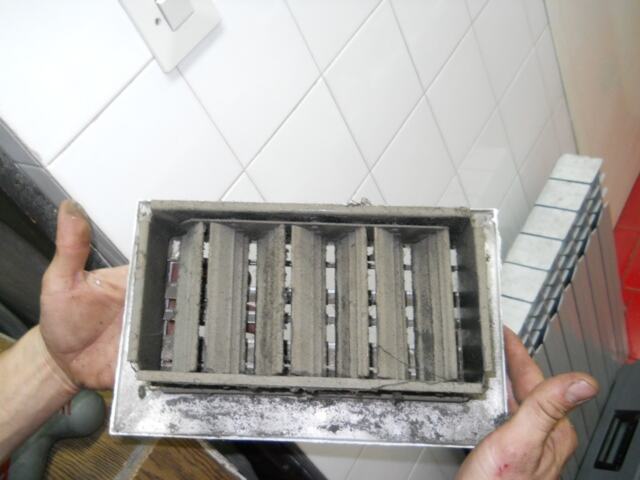
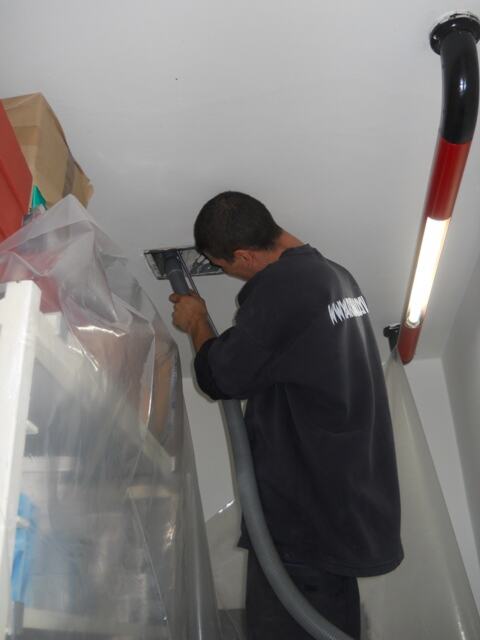
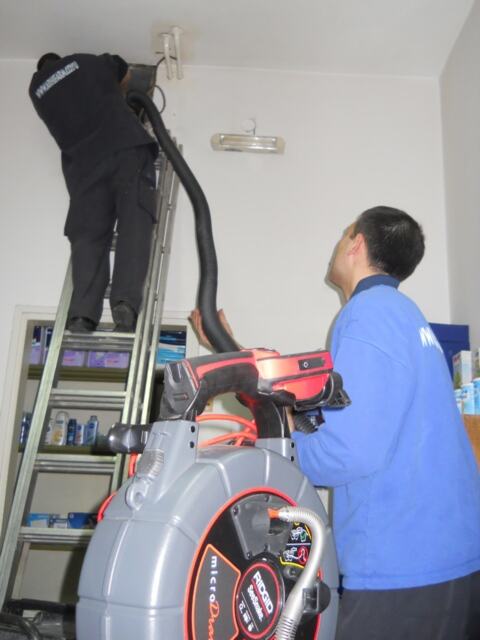
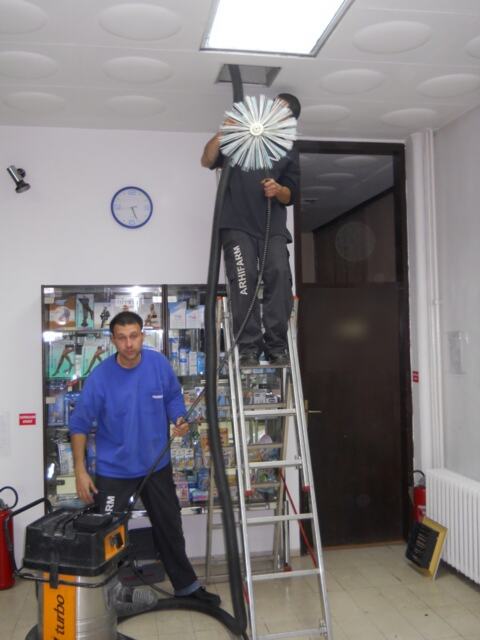
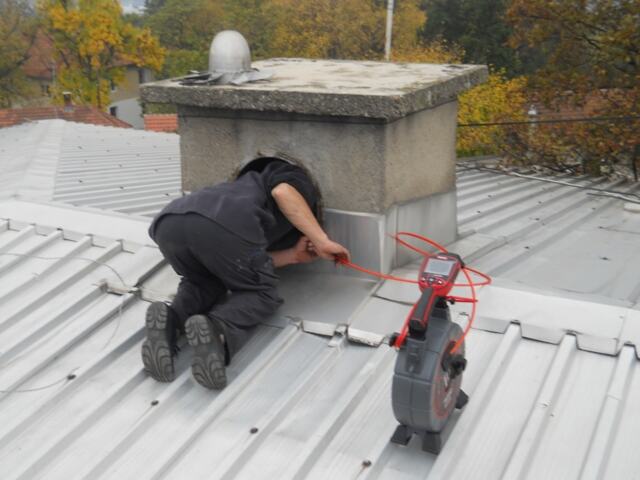
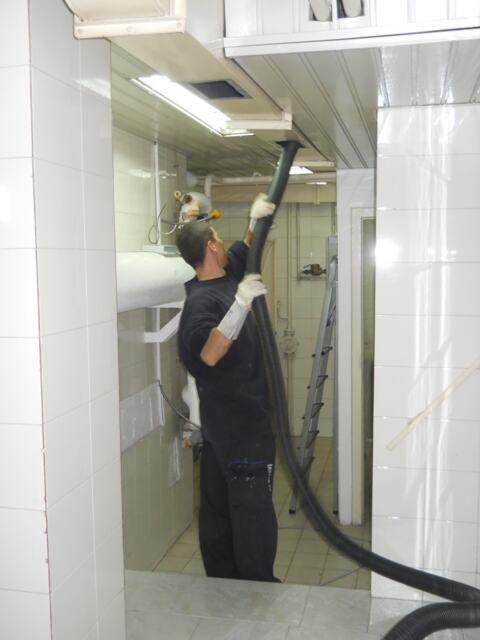
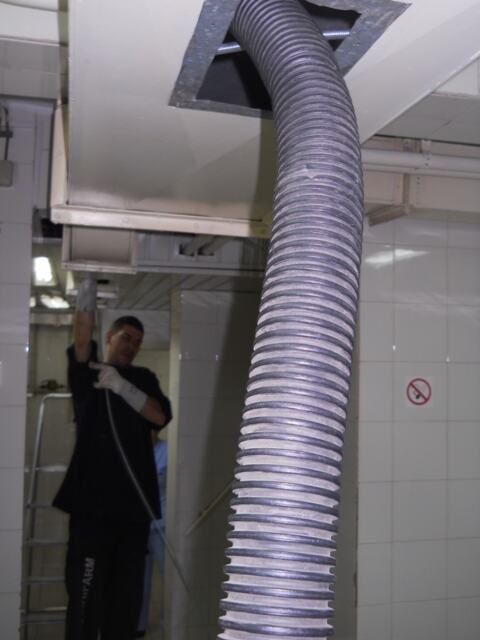
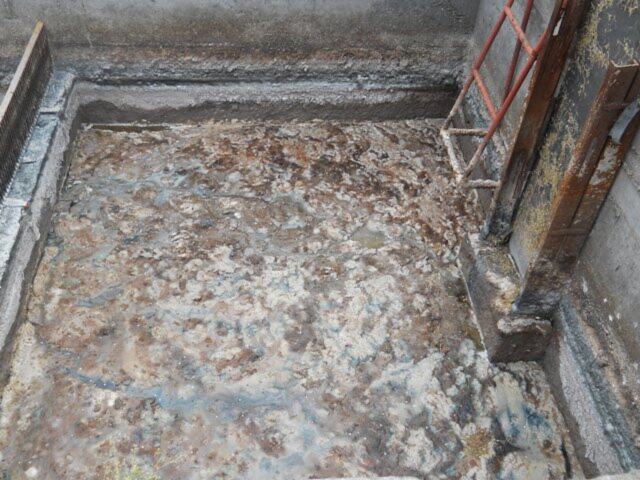
Recording of industrial sewerage
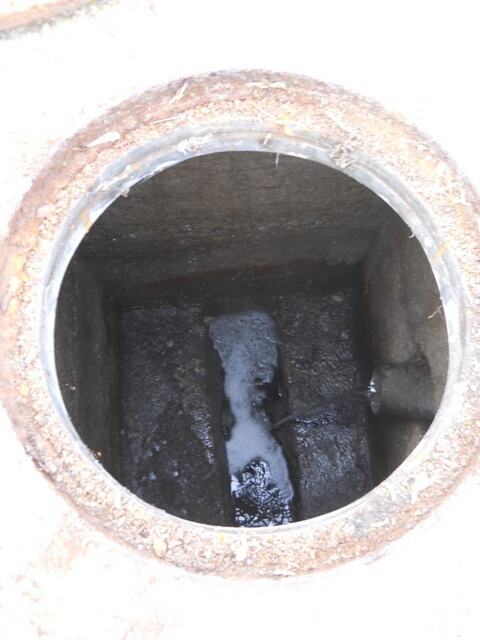
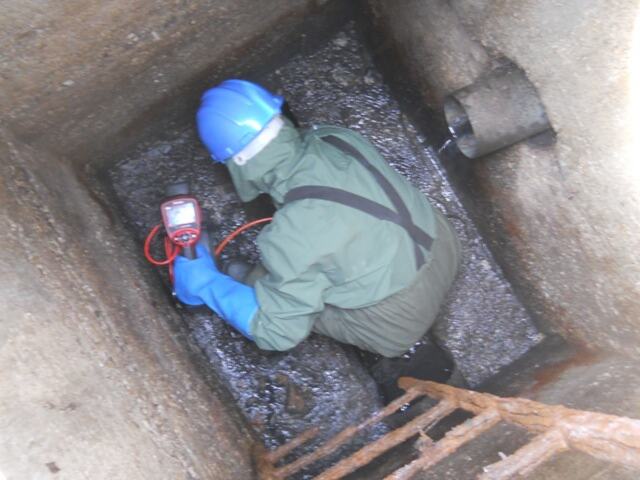
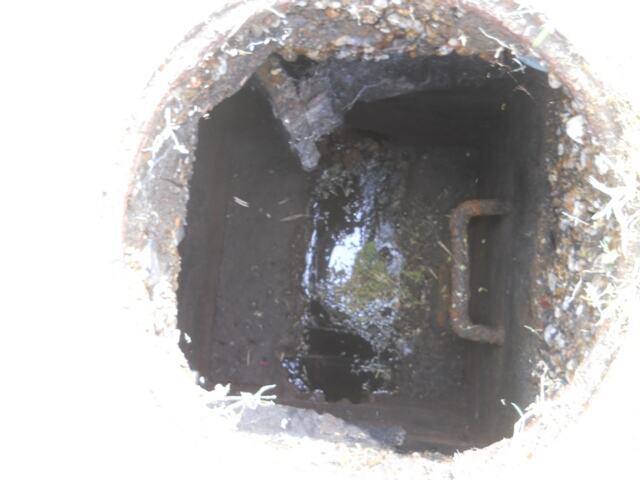
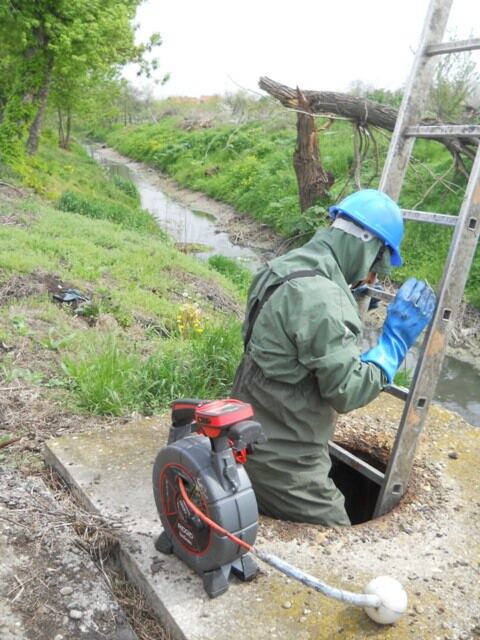
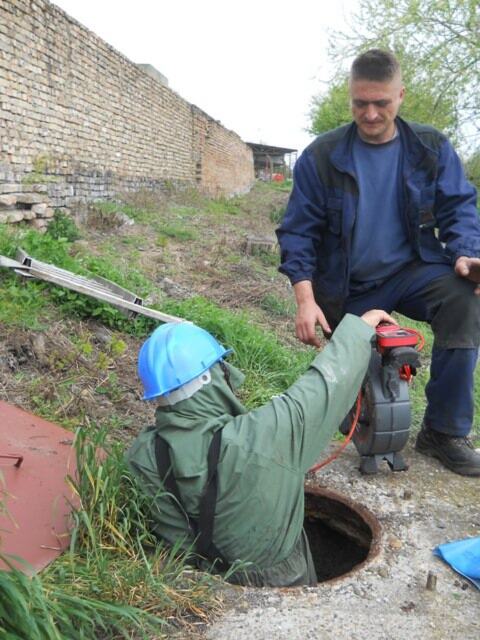
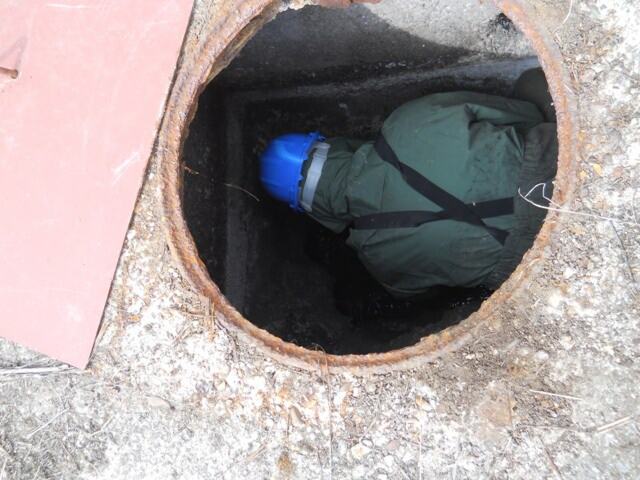
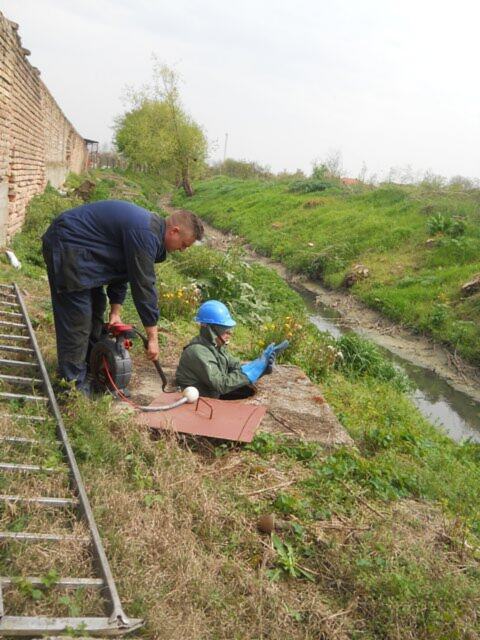
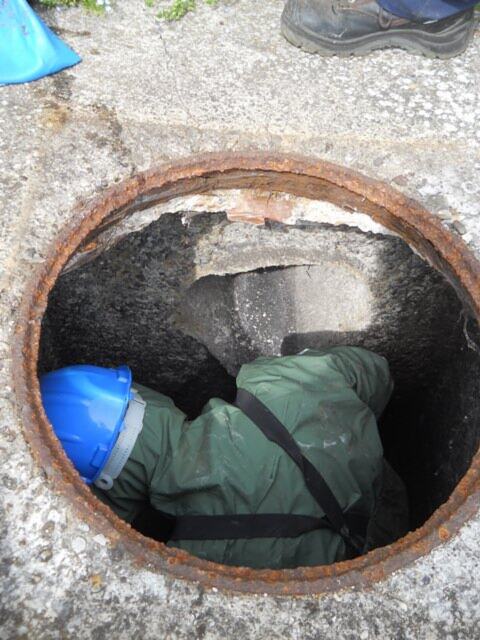
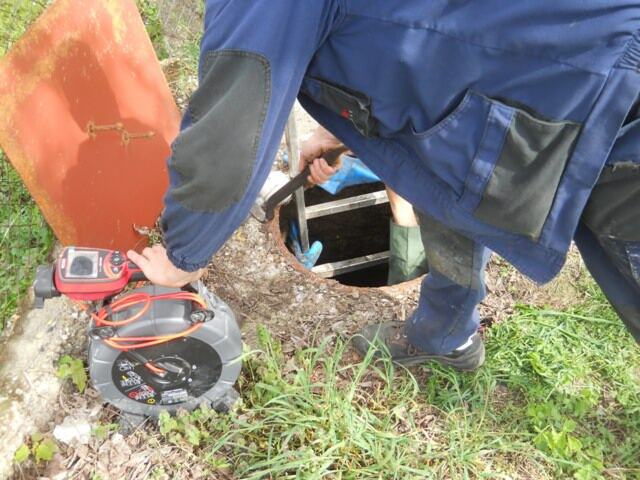
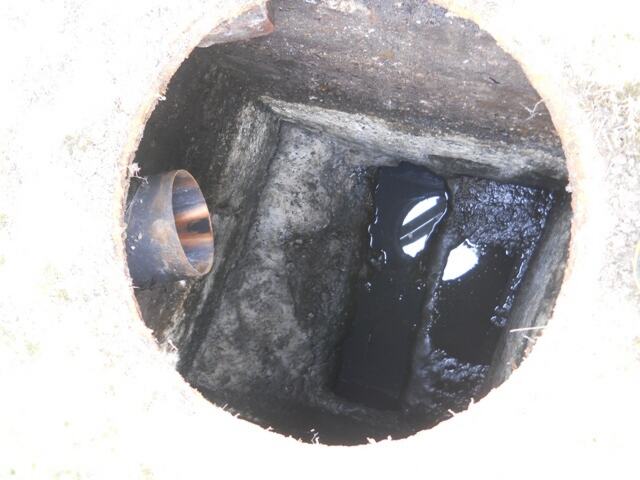
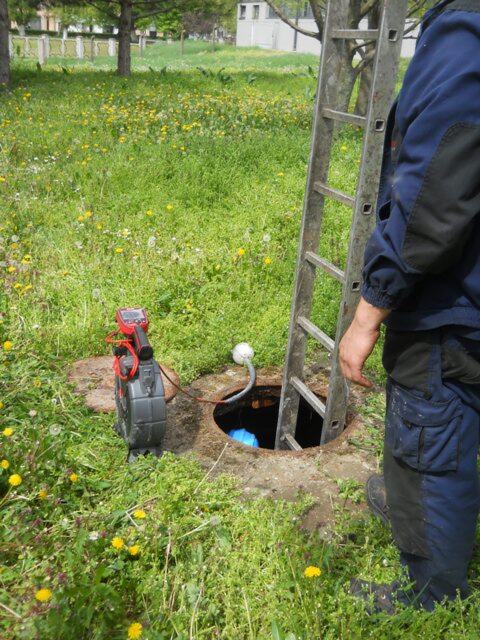
Filming of a new sewerage network of a residential complex
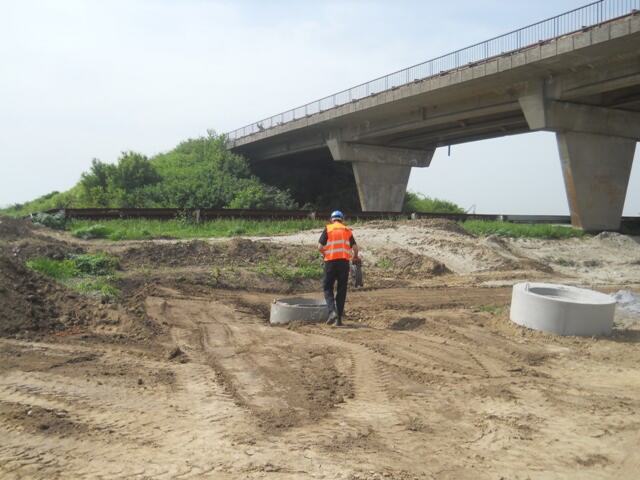
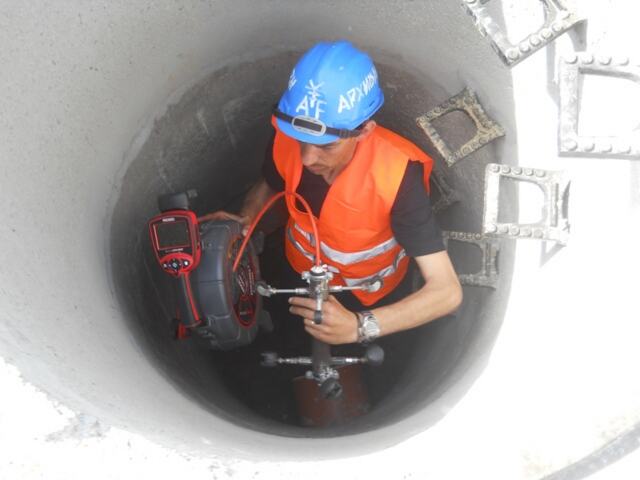
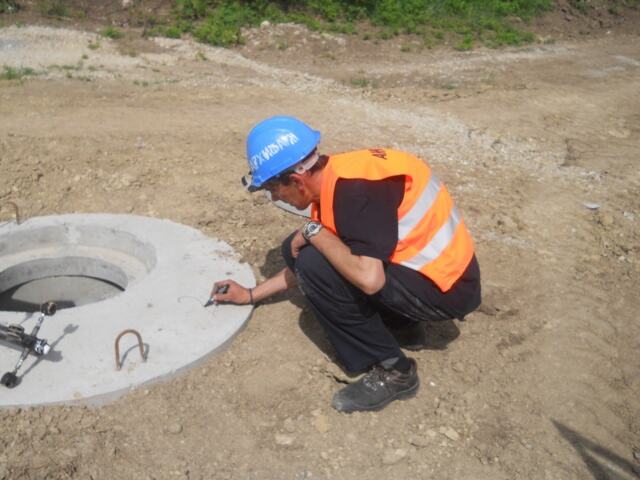
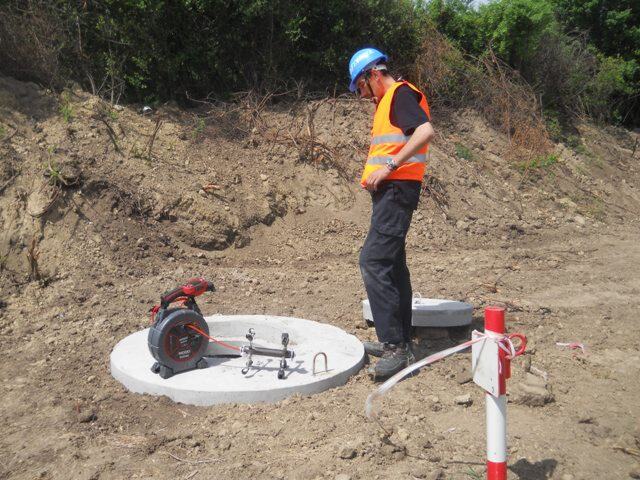
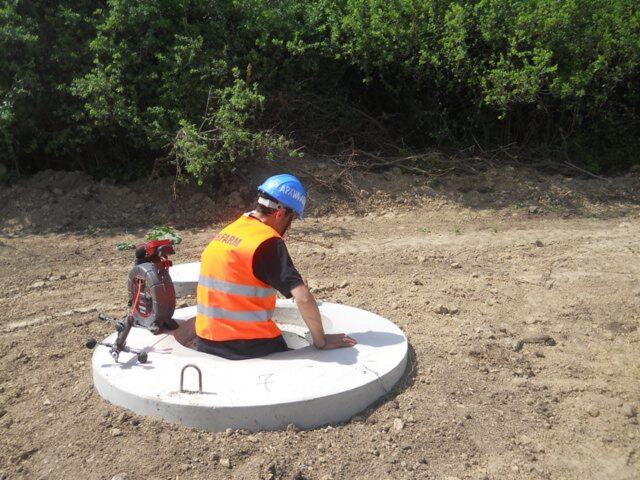
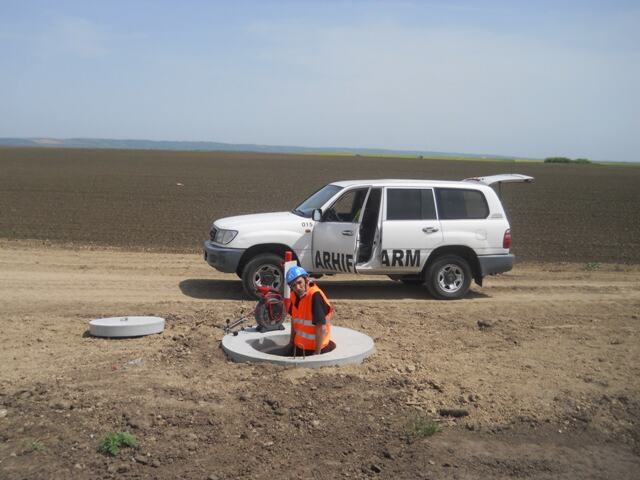
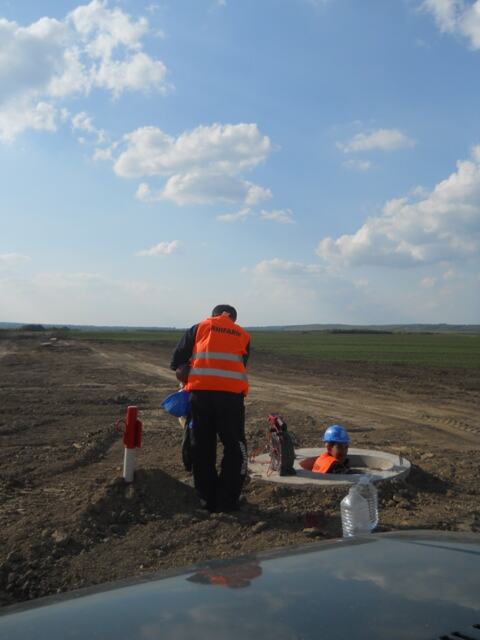
- When is a sewer inspected?
Before a new system is commissioned, when locating a blockage and, where required, before or after cleaning.
- Do you inspect ventilation ducts?
Yes, where access and equipment permit, before or after cleaning and with measurements agreed for the task.
- Does diagnostics always eliminate excavation?
No. The aim is to narrow down the problem area and avoid unnecessary opening, but the final method depends on the findings and system construction.
- How is the inspection method selected?
It is selected according to the medium, material, access, risk and technical conditions on site.
Do you need to locate a fault or blockage? Send the system type, medium, location and any available photographs or route plan.
Send an enquiry
ARHIFARM d.o.o. has been operating since 1992. Overview of registrations and previously issued permits:
- Permit for hazardous-waste treatment in a mobile plant, registration No. 864, dated 22 May 2012.
- Integrated permit for waste collection and transport, registration No. 116, dated 10 September 2010.
- Permit to perform municipal utility activities, code 90000, dated 12 May 2010.
- Decision authorising disinfection, insect-control and rodent-control operations, No. 3/3-10-5600/01, dated 23 July 2001.