
Wood protection and treatment
« Pest control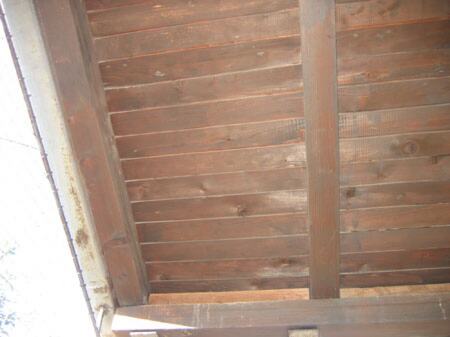
Preventive treatment and remedial control of wood-boring insects in timber structures, furniture and other wooden items.
Preventive protection
Preventive treatment is carried out before wood-boring insects become established. A suitable protective product is applied so that it penetrates the timber to the depth required for its intended use.
The product and application method depend on whether the timber is indoors or exposed to weather, how it will be used and the level of risk. Treatment should be completed before installation or final finishing wherever possible.
Remedial treatment
Remedial treatment is used when insects or larvae are already present in the timber. The objective is to stop the infestation and prevent further damage.
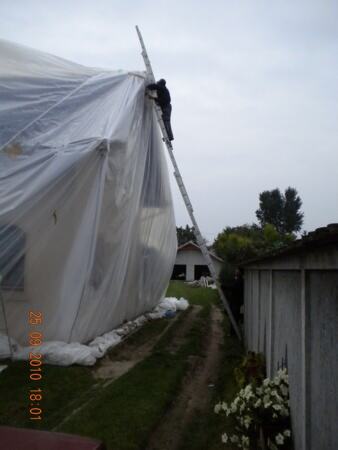
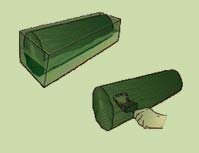
The method is selected after assessing the structure, access, extent of activity and type of item. Depending on the case, treatment may involve surface application, injection or controlled fumigation.
Application methods
- Spraying and brushing
- Short immersion in a suitable preservative solution
- Local protection of timber exposed to soil, other materials or weather
- Injection into prepared openings
- Bandage treatment
- Bath impregnation using controlled solutions
- Osmosis and other specialist impregnation methods
- Full or partial pressure impregnation where appropriate
Typical applications
- Treatment of roof structures, log buildings and timber houses
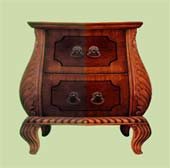
- Controlled treatment of furniture, museum objects and antiques
- Protection of beams, poles and other exterior timber elements
- Local injection treatment of installed timber
- Pressure impregnation where the item and process allow it
- Surface treatment by spraying or brushing
References — completed work
From the firm's archive: 5 jobs and 33 photos taken in the field during the performance.
Impregnation and protection of wood
5 jobs, 33 photos.
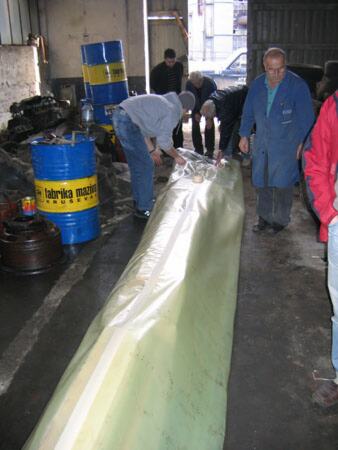
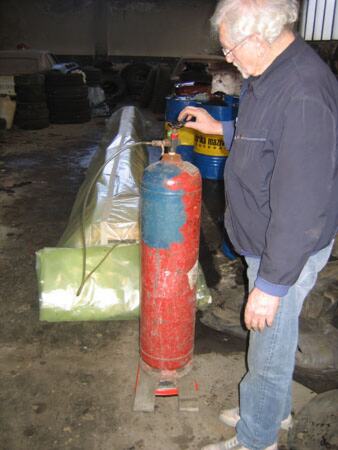
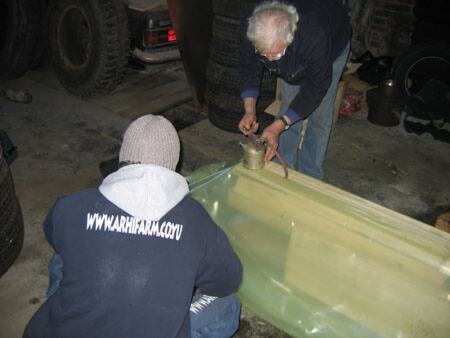
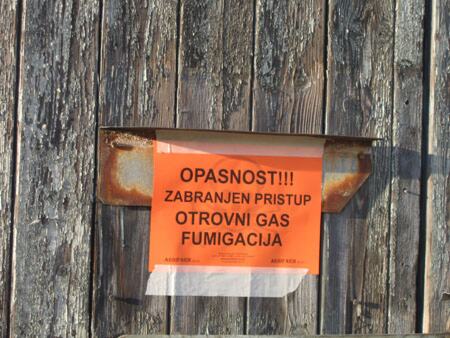
Timber fumigation in Bor
Impregnation of wood on Bežanijska kosa
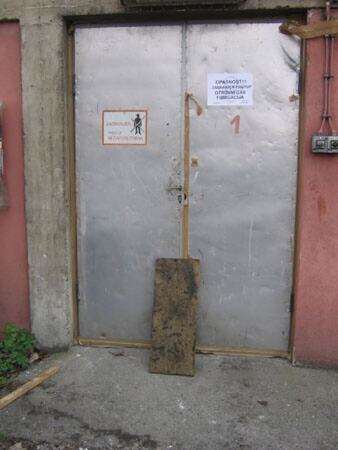
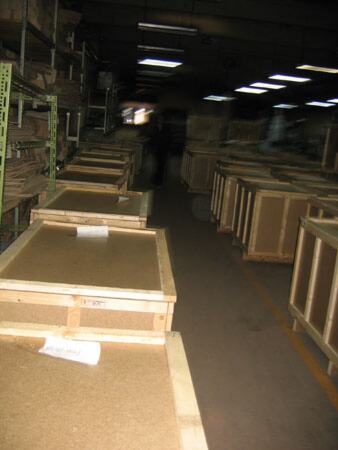
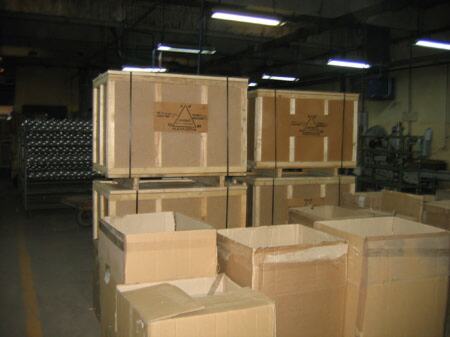
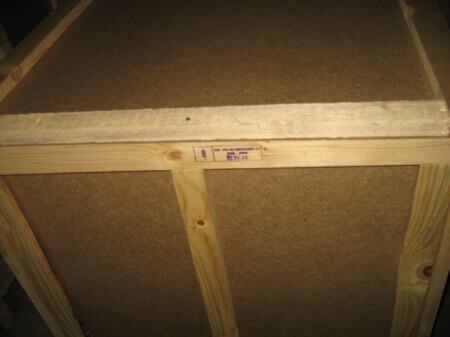
Impregnation and stamping of pallets and wooden crates in Kruševac
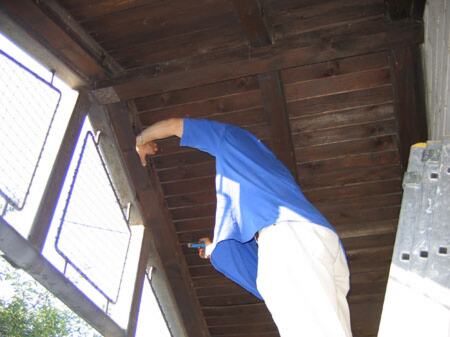
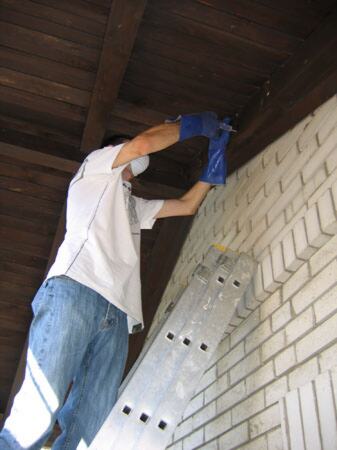
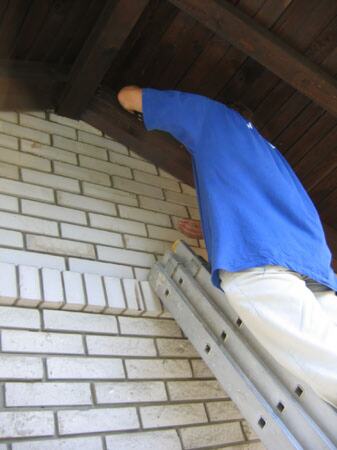
Remedial treatment of beetle-infested structural roof timber using a modified injection process
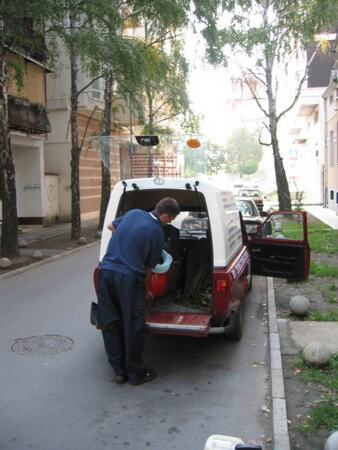
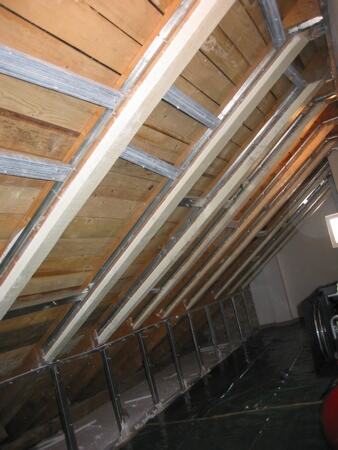
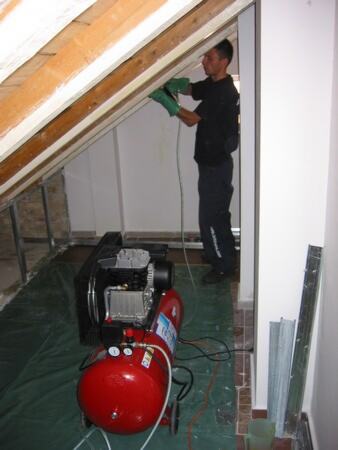
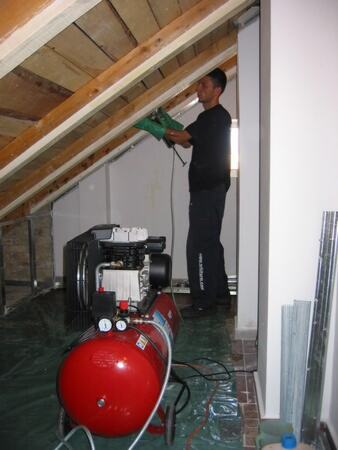
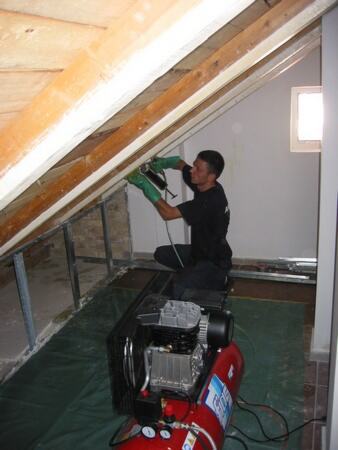
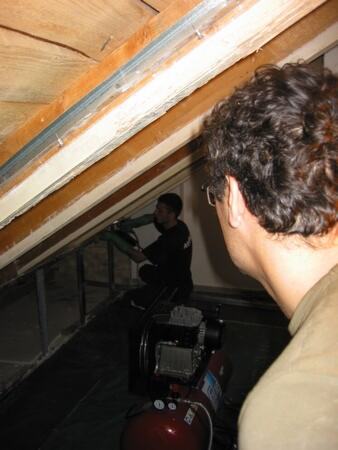
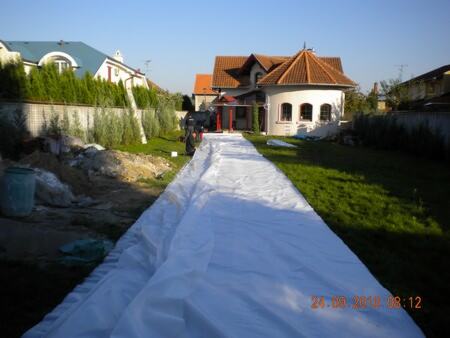
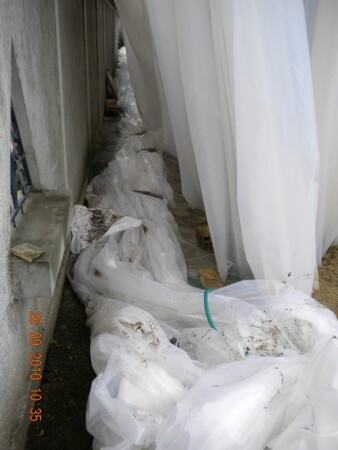
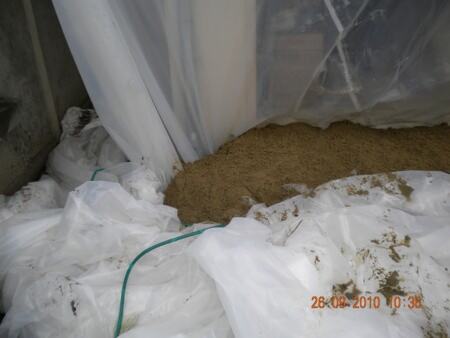
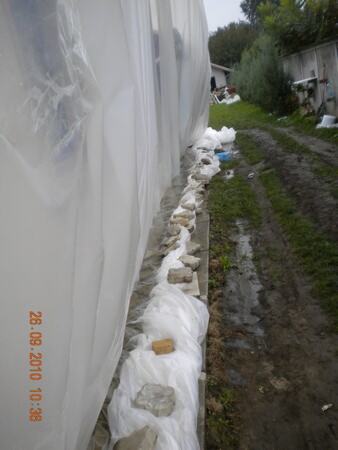
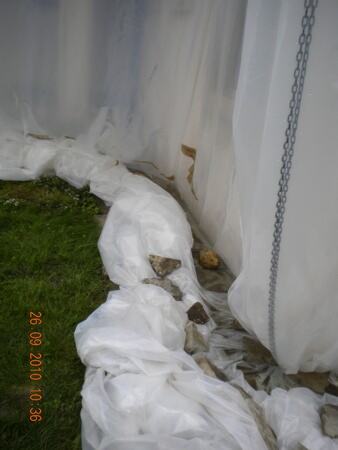
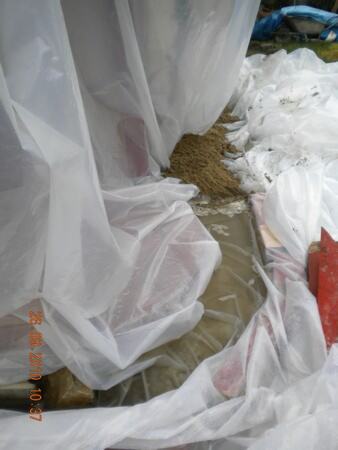
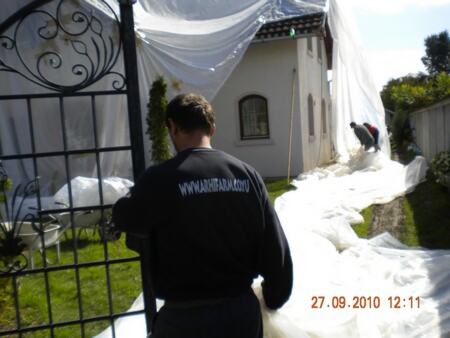
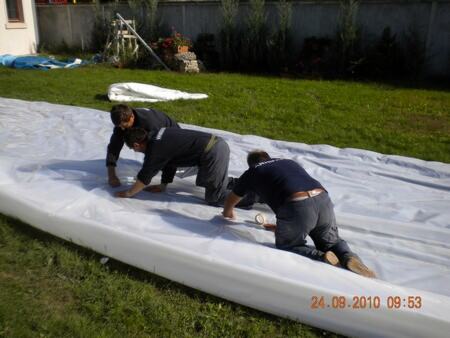
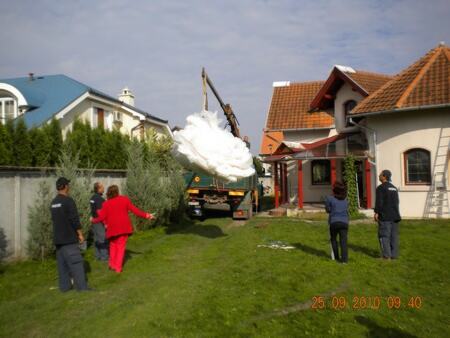
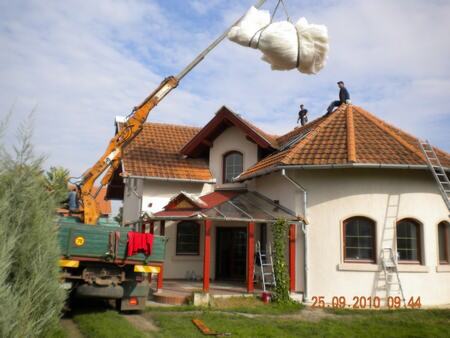
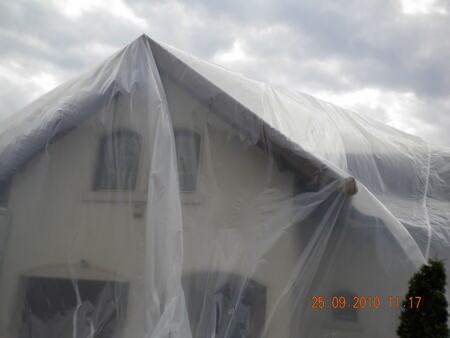
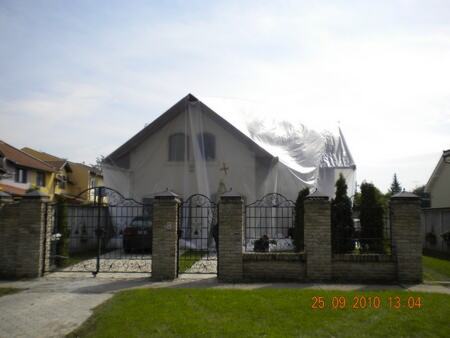
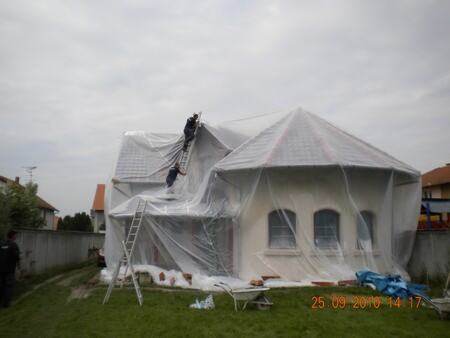
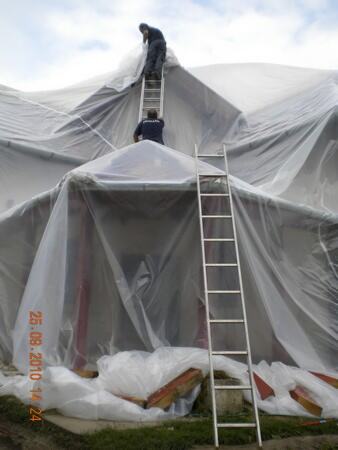
Fumigation of timber under a gas-tight cover at a 300 m² site
- What is the difference between preventive and remedial treatment?
Preventive treatment is applied before infestation. Remedial treatment is used when insects or larvae are already present in the timber.
- Can already infested timber be treated?
Often, yes. The method depends on the item, access, extent of activity and structural condition.
- What can be treated?
Roof structures, log buildings, timber elements, furniture, museum objects and other wooden items, subject to assessment.
- Is an inspection required?
Yes. The timber, signs of activity, access and intended use should be assessed before the method is selected.
Illustrations from the former website — archive
Have you noticed signs of wood-boring insects? Tell us what is affected, where it is located and what signs you have noticed.
Send an enquiry
ARHIFARM d.o.o. has been operating since 1992. Overview of registrations and previously issued permits:
- Permit for hazardous-waste treatment in a mobile plant, registration No. 864, dated 22 May 2012.
- Integrated permit for waste collection and transport, registration No. 116, dated 10 September 2010.
- Permit to perform municipal utility activities, code 90000, dated 12 May 2010.
- Decision authorising disinfection, insect-control and rodent-control operations, No. 3/3-10-5600/01, dated 23 July 2001.