
Industrial cleaning of tanks, tankers and process vessels
« Modern technical services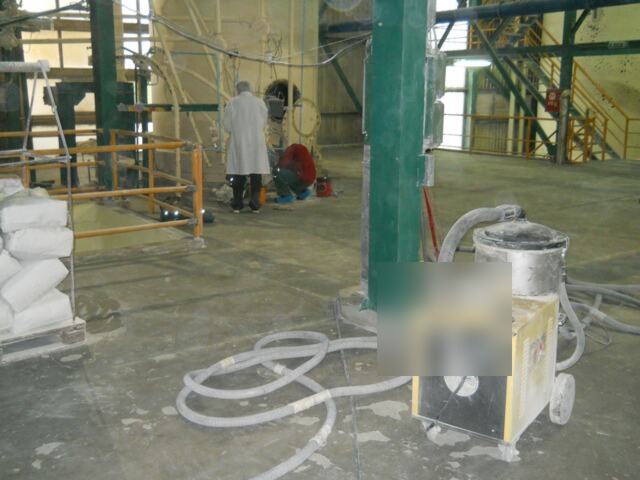
On-site industrial cleaning, unblocking and remediation of tanks, tankers, vessels, silos and process equipment.
How the work is carried out
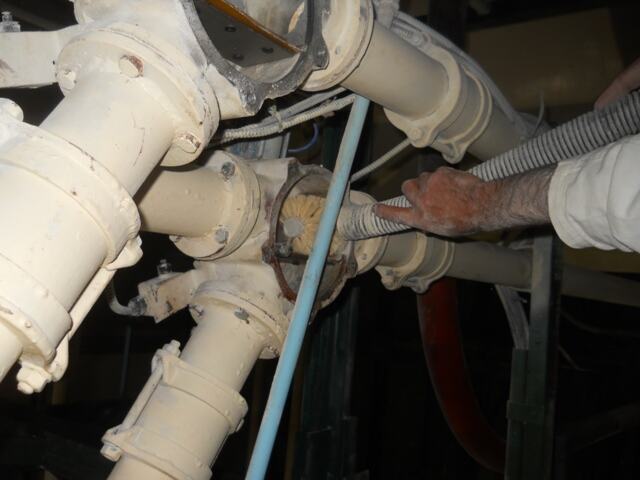
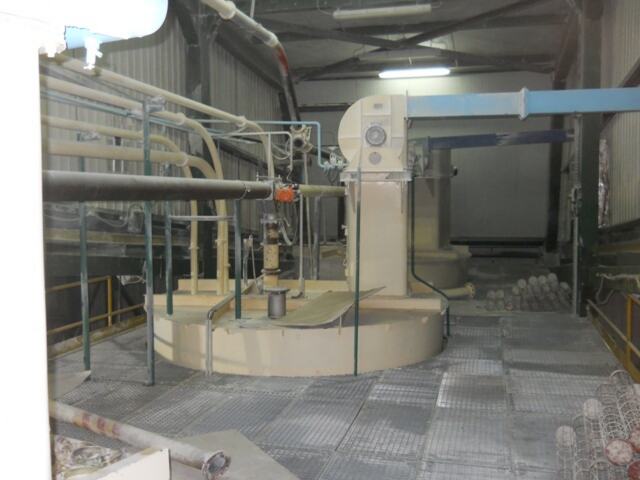
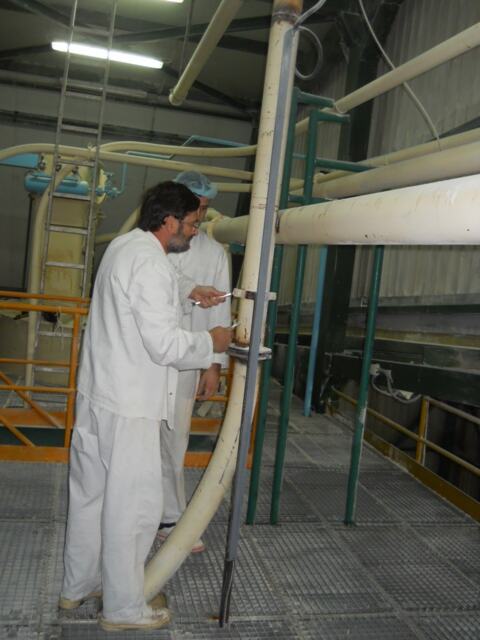
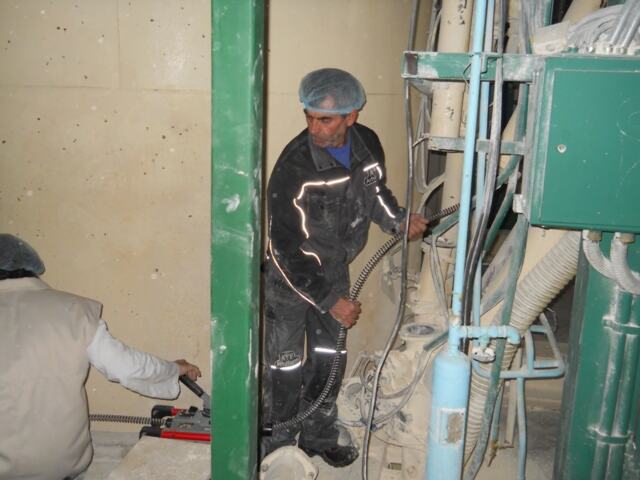
Transfer pipelines in silos and mills are cleaned by brushing the internal walls while an industrial vacuum extracts the loosened deposits.
Tank, tanker and vessel cleaning is planned around the previous contents, deposits, material, ventilation and access conditions. Work involving contents subject to a special regime is accepted only after checking the documentation, residue-handling method, occupational-safety requirements and necessary approvals.
Boiler cleaning may use a chemical, mechanical or combined method, depending on the technical condition and equipment requirements.
Silos
Vertical silos are cleaned with rotary chains mounted on a movable head and arm. Hydropneumatic equipment is used in hazardous or flammable environments, while an electric drive can be used in non-flammable areas. Compacted deposits such as cement, lime, fine coal or biomass are dislodged into the hopper and returned to the process line where appropriate.
Corners in square and rectangular silos cannot be reached by the rotary chain. These areas are cleaned manually with pneumatic tools, while workers use the required protective equipment.
Ventilation ducts and flour-conveying pipes are cleaned with rotary brushes. Loosened scale is removed with compressed air or washing and collected with industrial vacuum equipment.
Scope of work
- Tanks, tankers, separators and accessible process equipment
- Industrial pipeline unblocking
- Transfer pipelines in silos and mills
- Boilers, according to their technical condition and equipment instructions
- Vertical, square and rectangular silos using suitable tools
- Ventilation and flour-transfer pipes using rotary brushes
- Wet, water-abrasive or dry blasting where conditions permit
- Work involving regulated contents only after checking the conditions and documentation
Tanks, tankers and process vessels
Mobile equipment is used to wash and clean tanks, rail tankers, road tankers, ships, barges and other vessels. Work on steel, stainless-steel and plastic equipment is planned around the previous contents, deposits, access and material.
Remediation of punctured or damaged components is considered after inspection. The repair method and feasibility depend on the vessel use, material, condition and applicable requirements.
Occupational safety and fire protection
Work inside tanks, tankers and other confined spaces is planned with a risk assessment and fire and explosion protection measures. We also offer this work as separate services for companies that want one contractor to cover it on an ongoing basis.
References — completed work
From the company archive: 5 jobs and 57 photos taken on site while the work was carried out.
Industrial cleaning
5 jobs, 57 photos.
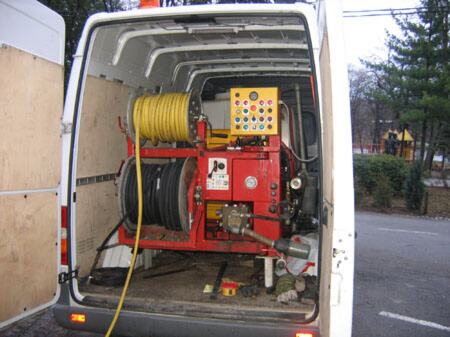
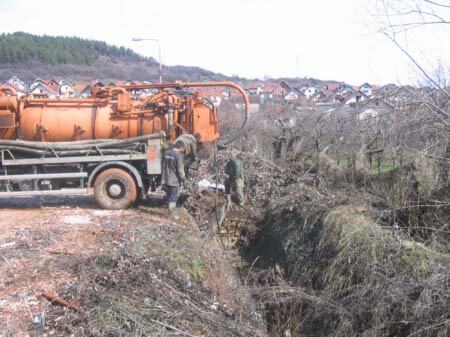
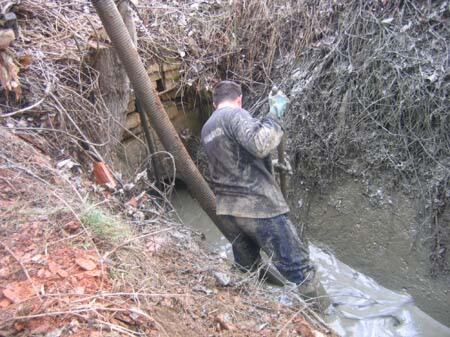
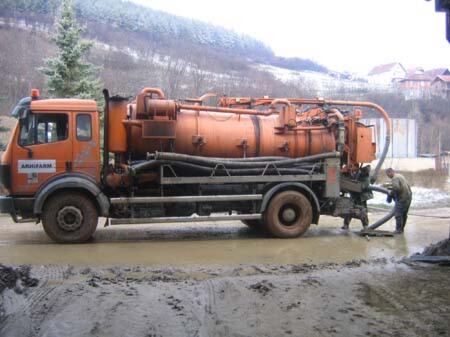
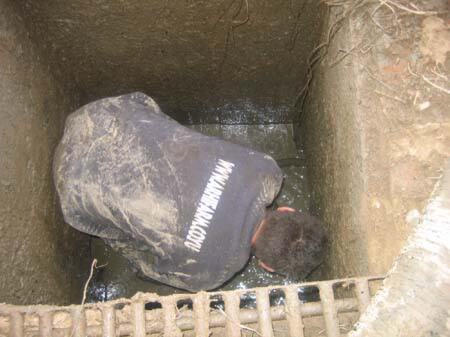
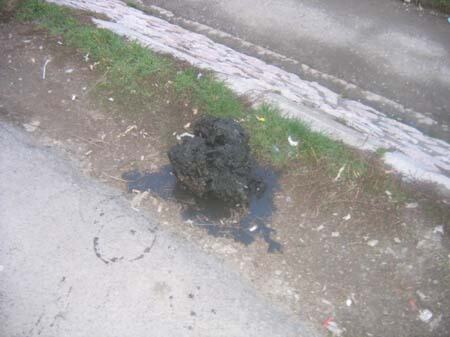
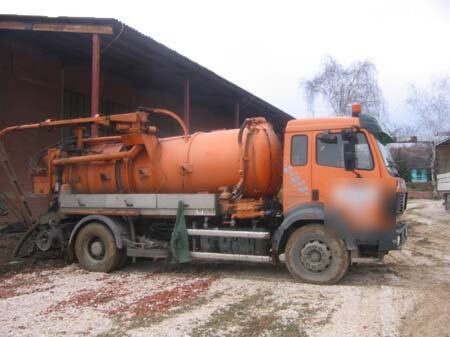
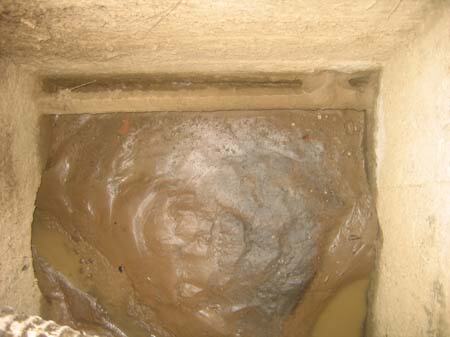
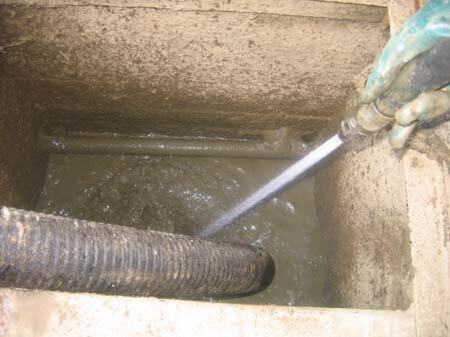
Cleaning the sewerage network with waterjet
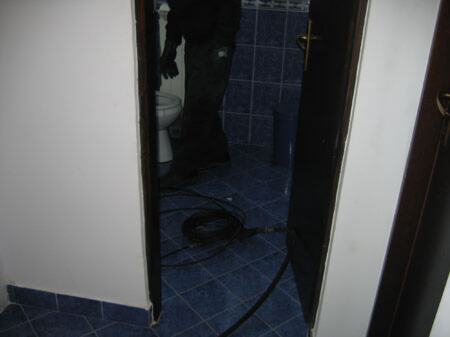
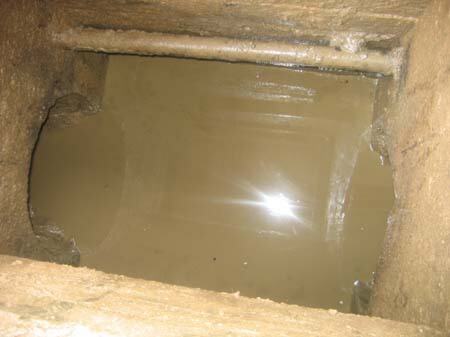
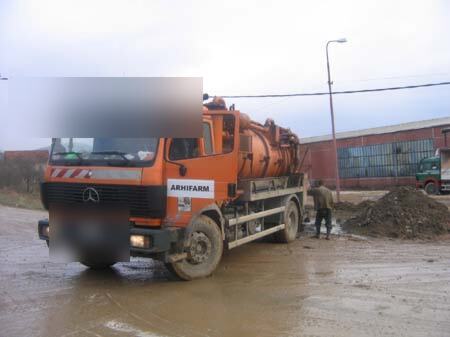
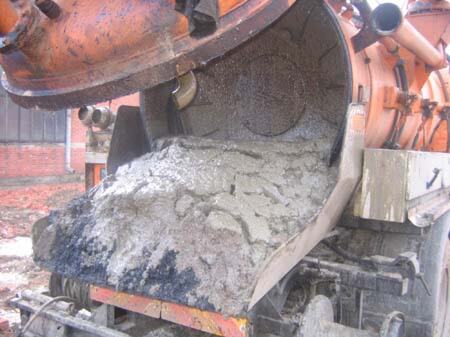
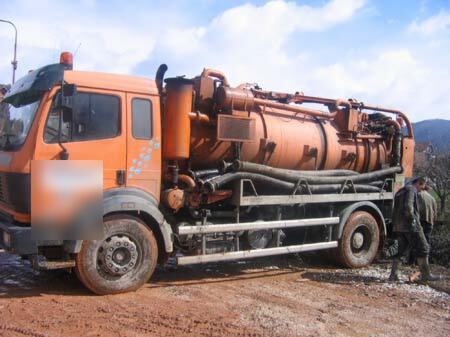
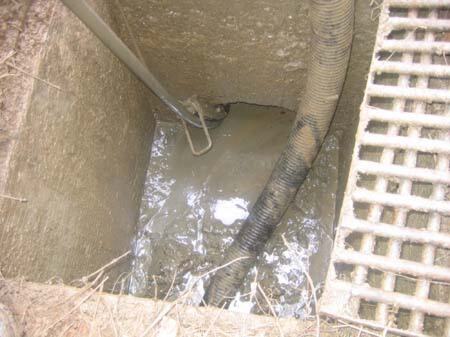
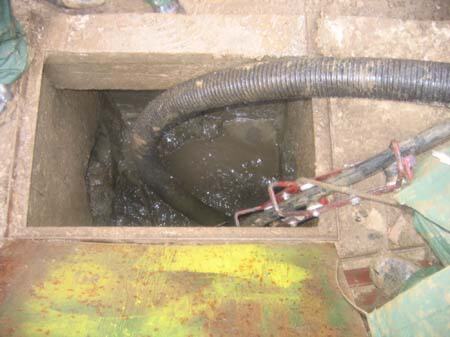
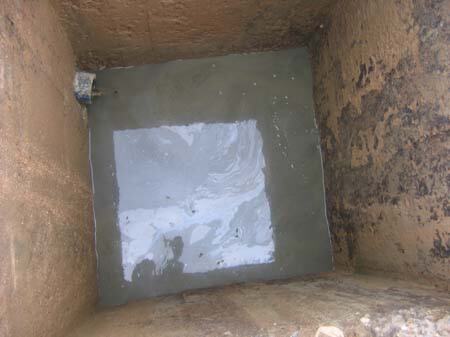
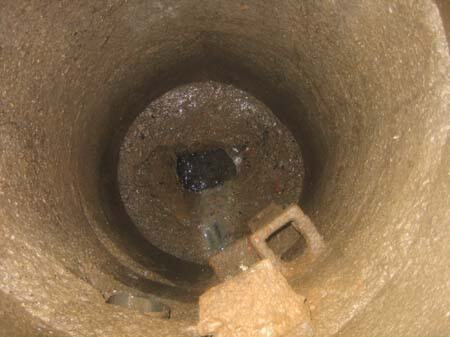
Mechanical cleaning and sanitary washing of a brickworks sewer
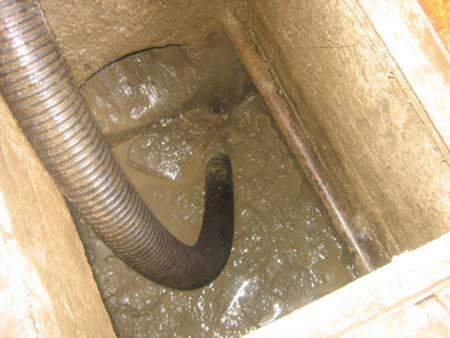
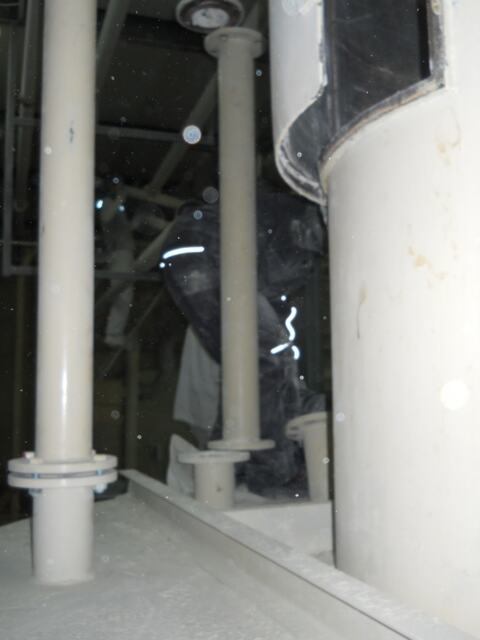
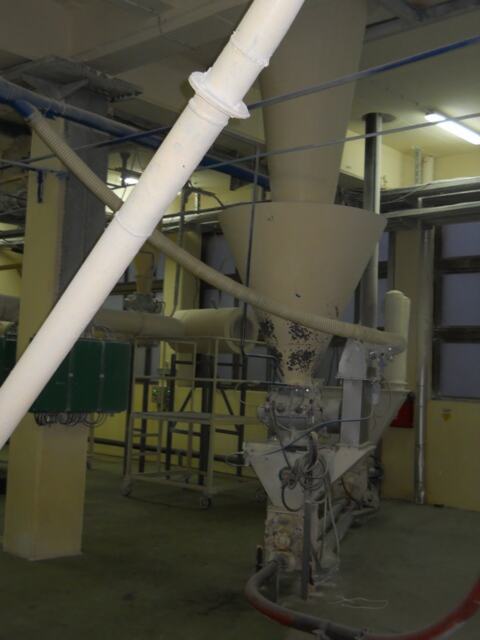
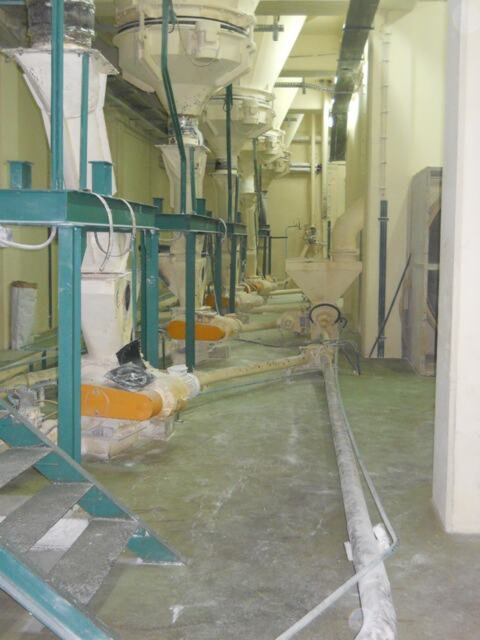
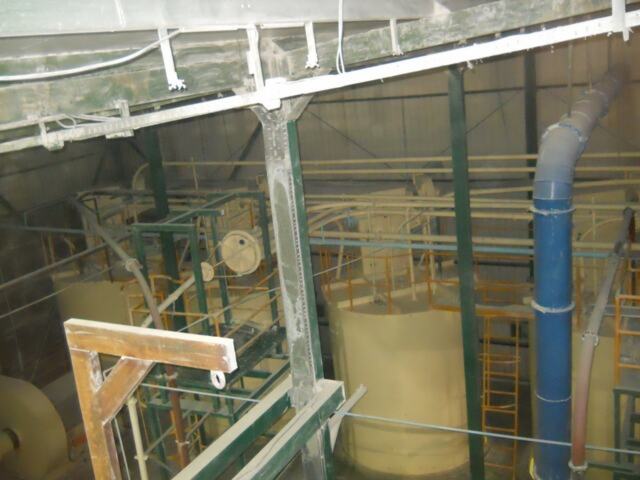
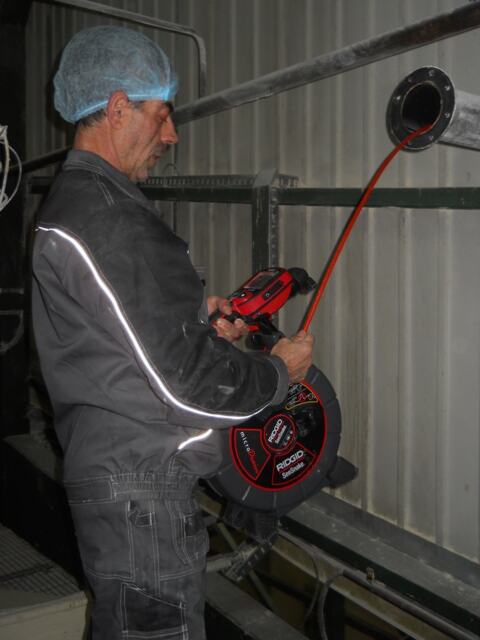
Mechanical cleaning and camera inspection of pneumatic conveying lines for powders
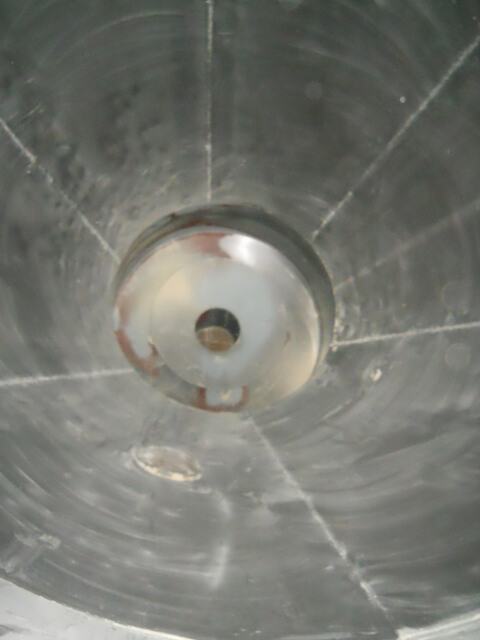
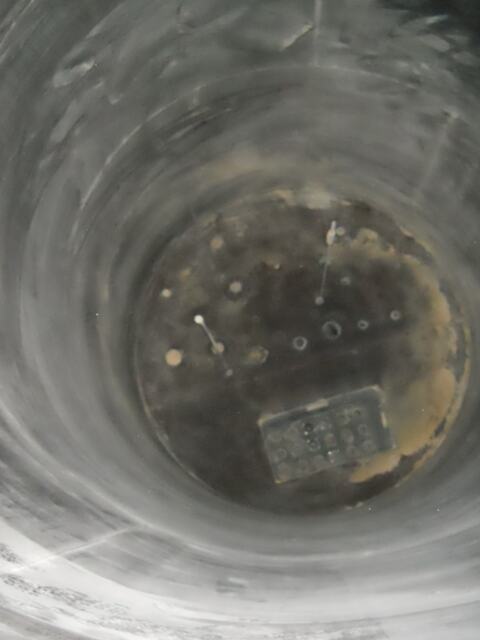
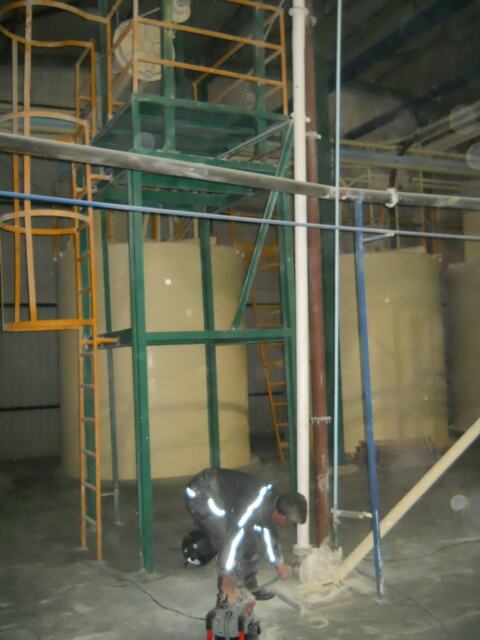
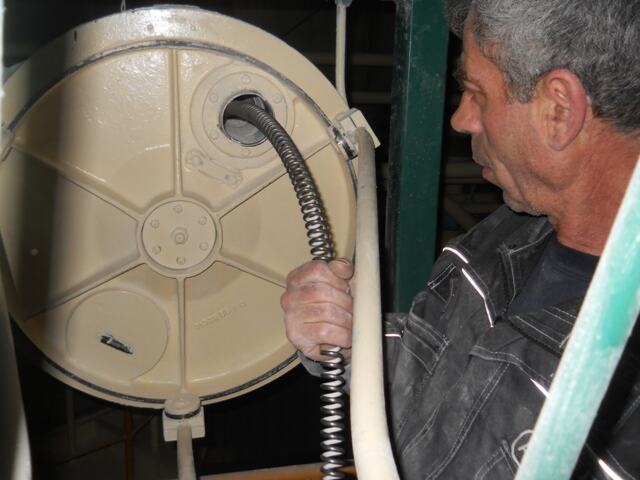
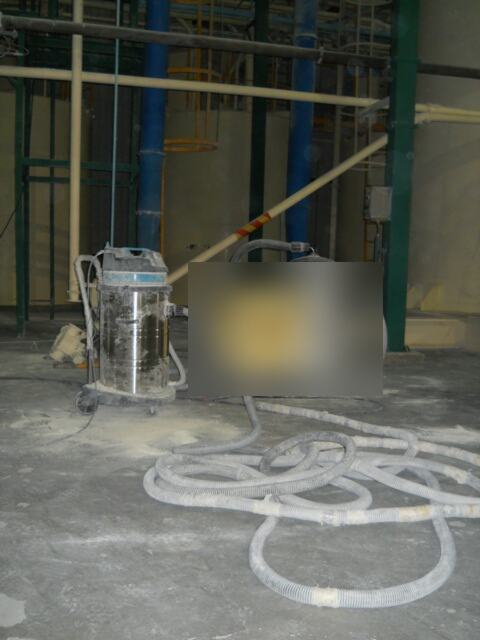
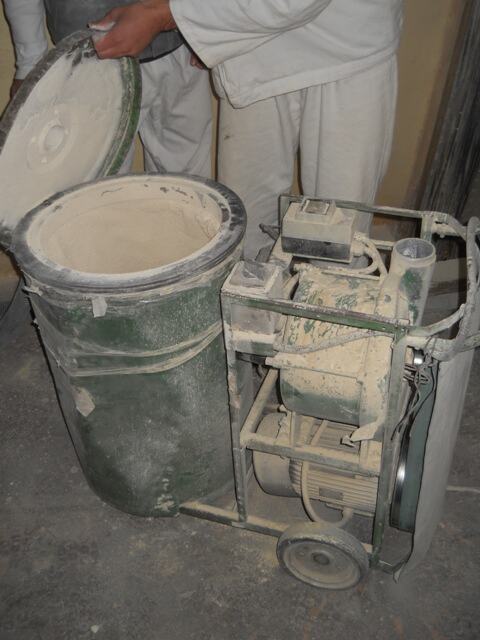
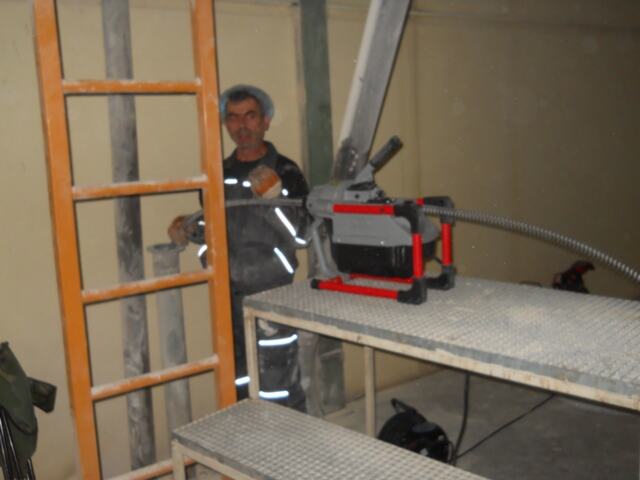
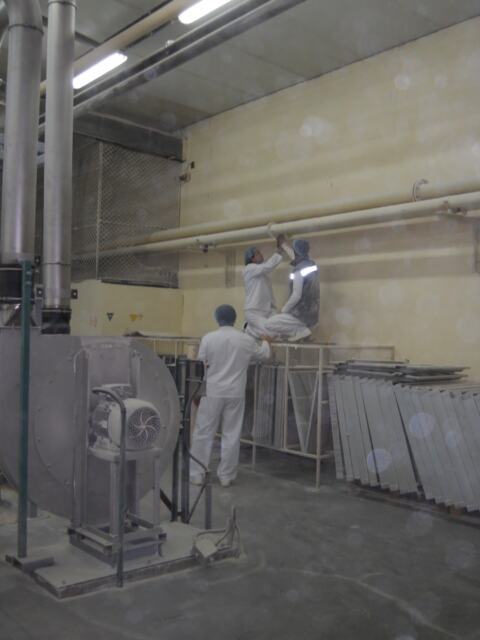
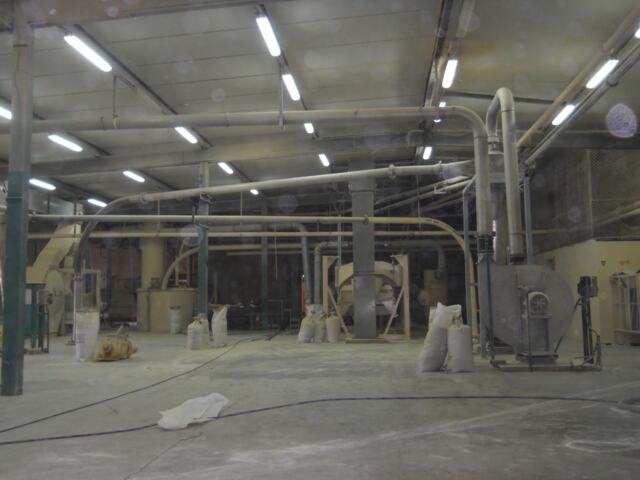
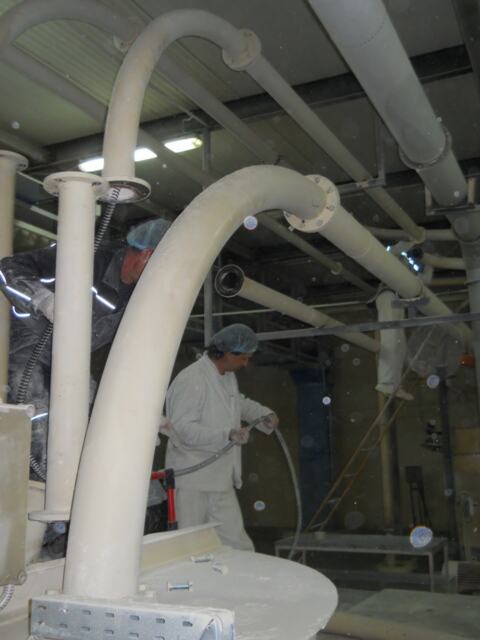
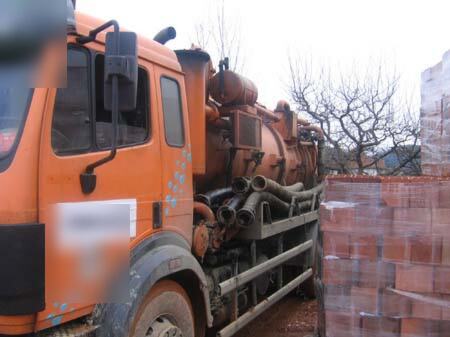
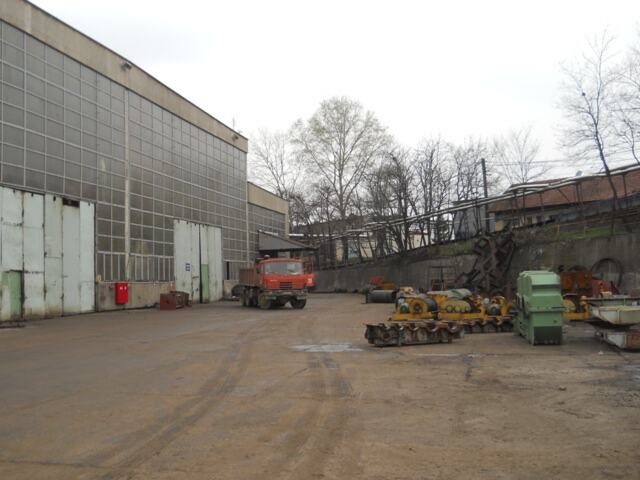
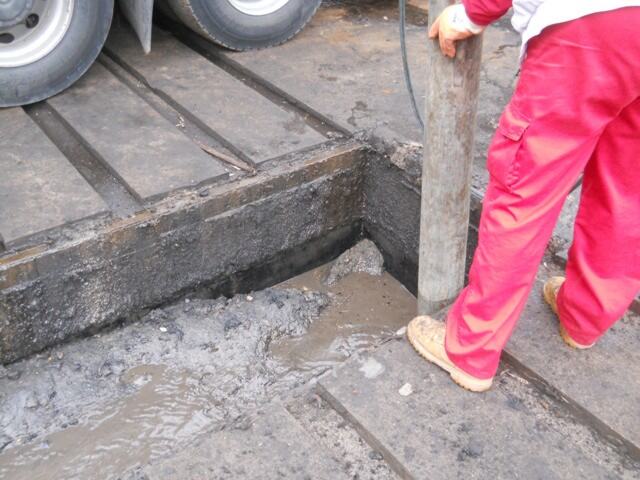
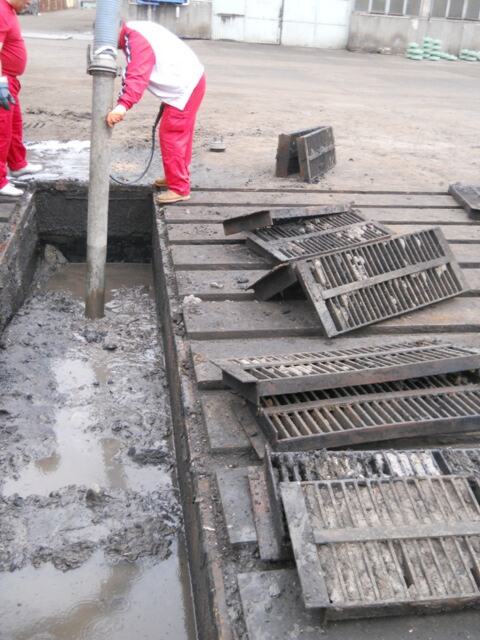
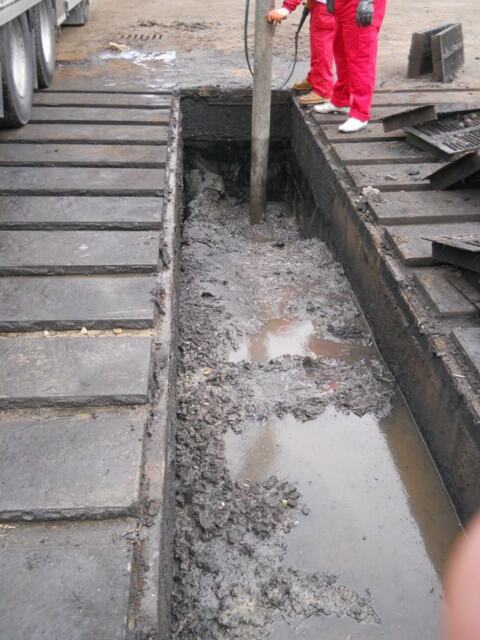
Vacuuming sludge from a washing bay
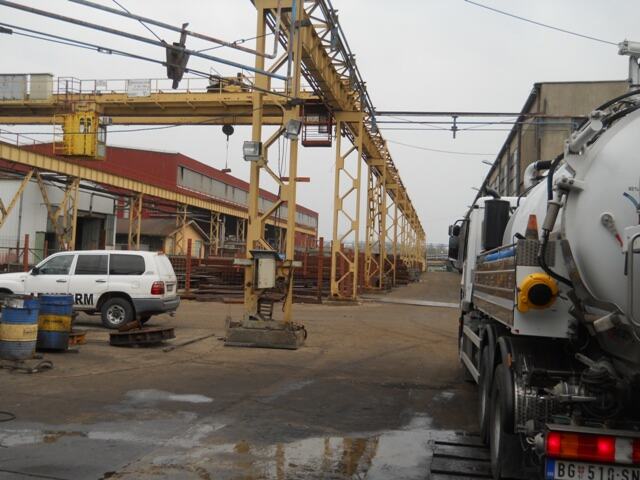
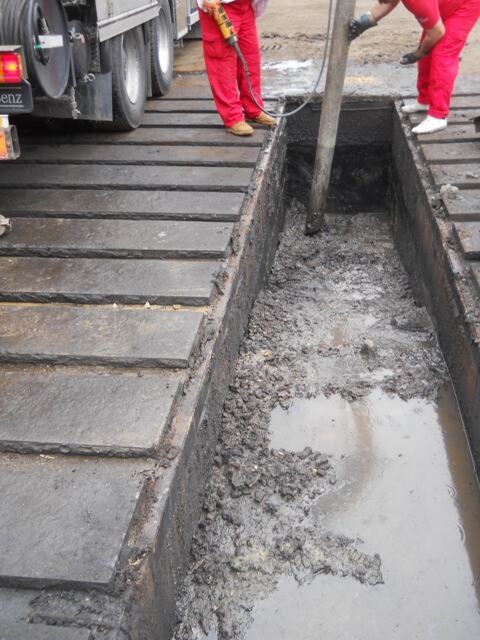
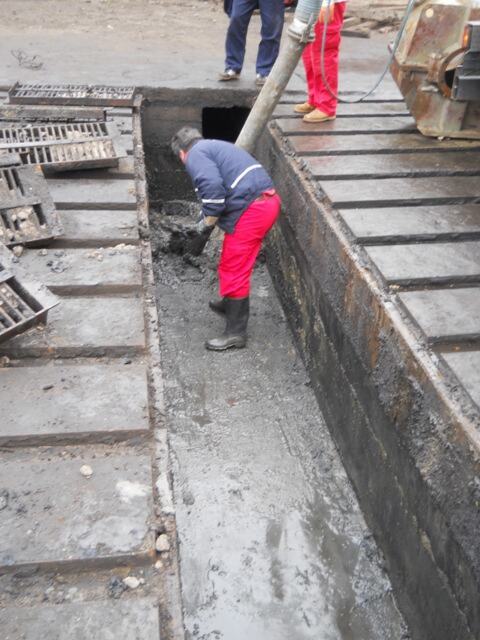
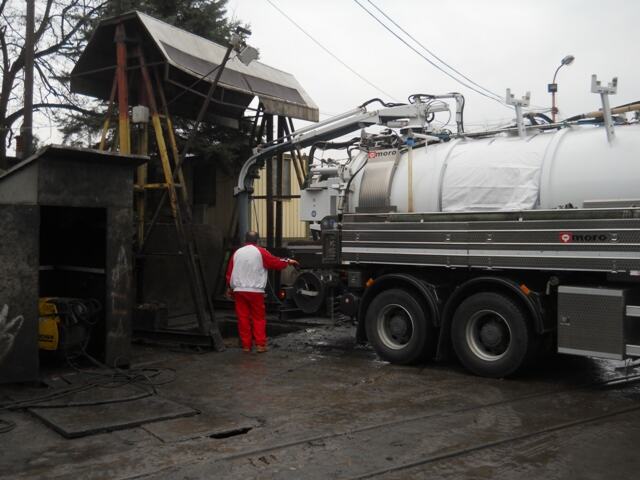
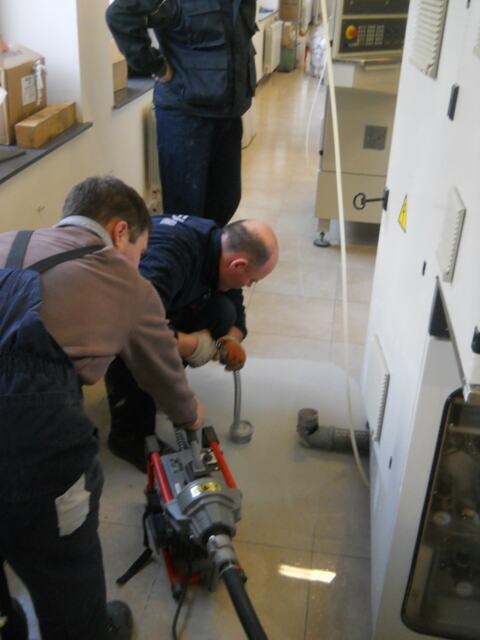
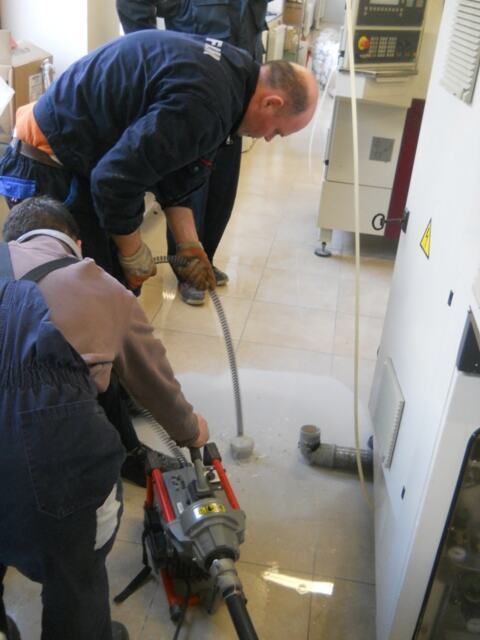
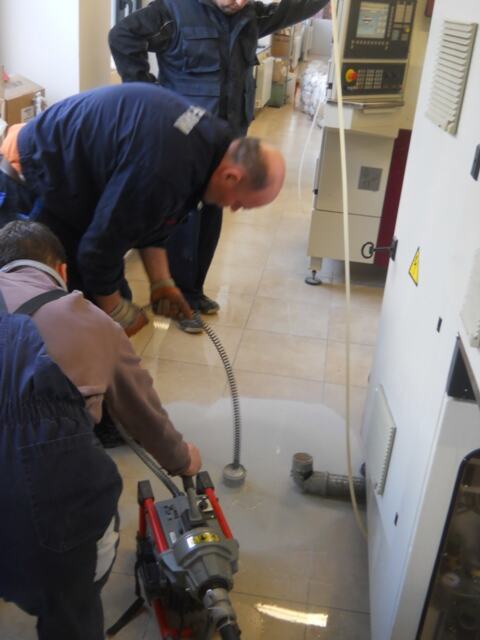
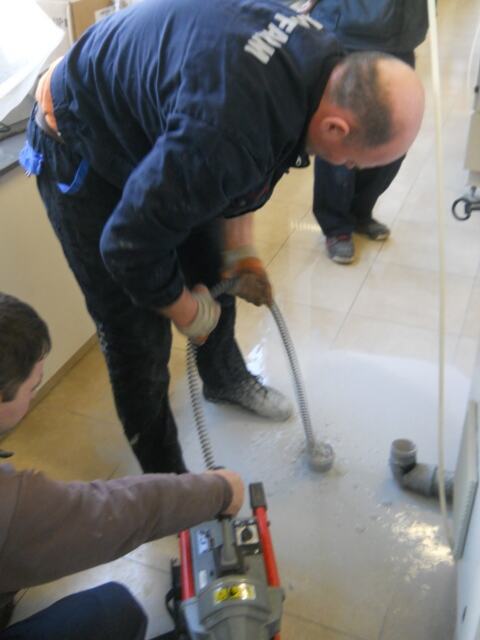
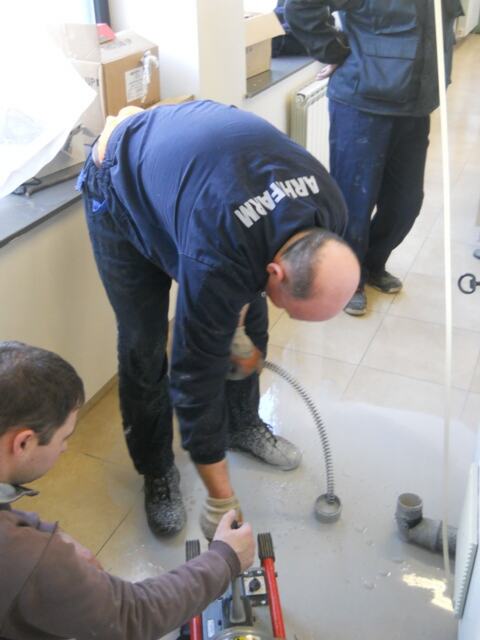
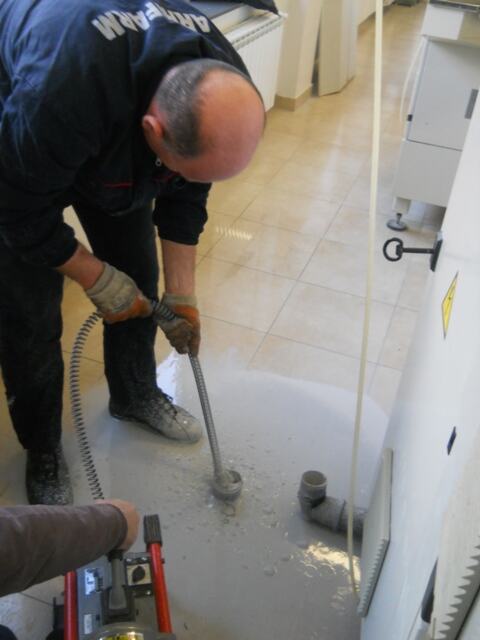
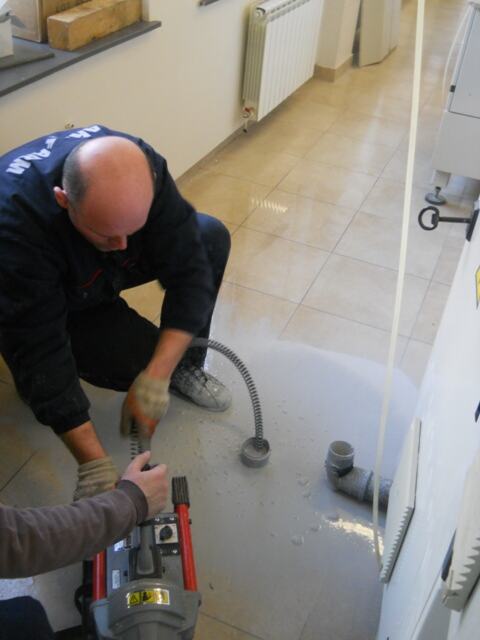
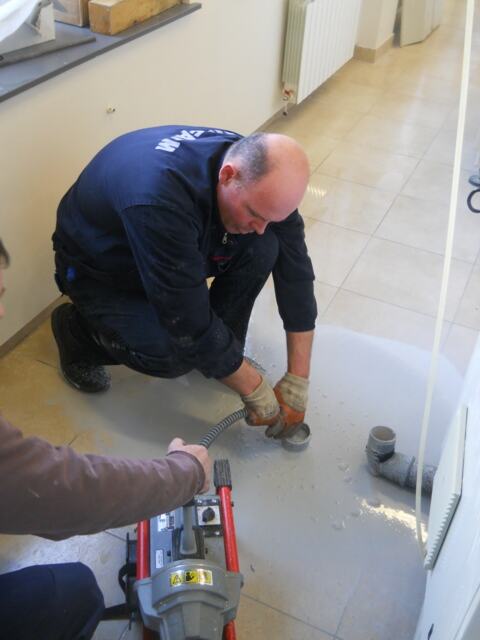
Unblocking the drain pipe of a glass-grinding machine
- How are silo transfer pipelines cleaned?
The method is selected according to the material, deposits, access and safe working conditions.
- Is a site inspection required?
Yes. The scope, equipment and safety measures are defined after a technical assessment.
Need a tank or boiler cleaned? Tell us what needs cleaning, its capacity and what material it contained.
Send an enquiry
ARHIFARM d.o.o. has been operating since 1992. Overview of registrations and previously issued permits:
- Permit for hazardous-waste treatment in a mobile plant, registration No. 864, dated 22 May 2012.
- Integrated permit for waste collection and transport, registration No. 116, dated 10 September 2010.
- Permit to perform municipal utility activities, code 90000, dated 12 May 2010.
- Decision authorising disinfection, insect-control and rodent-control operations, No. 3/3-10-5600/01, dated 23 July 2001.